
For many people experiencing loud snoring, daytime fatigue, interrupted sleep, or breathing difficulties at night, a sleep study is the first step toward understanding the problem. However, one of the most common concerns patients have is uncertainty about the testing process itself.
If you’re wondering what happens during a sleep study test, you’re not alone. Many individuals feel anxious about sleep testing because they are unfamiliar with the procedure, equipment, and what to expect overnight.
A sleep study is a safe, non-invasive diagnostic test that helps sleep specialists identify sleep disorders such as sleep apnea, insomnia, restless leg syndrome, and other conditions affecting sleep quality.
Understanding the process beforehand can reduce anxiety and help you feel more prepared and comfortable.
What is a Sleep Study Test?
A sleep study, also called polysomnography, is a diagnostic test used to monitor various body functions while you sleep.
The test evaluates:
- Breathing patterns
- Oxygen levels
- Brain activity
- Heart rate
- Muscle movement
- Sleep cycles
The collected data helps doctors accurately diagnose sleep disorders and recommend appropriate treatment.
Why is a Sleep Study Done?
A sleep study is recommended when individuals experience symptoms such as:
- Loud snoring
- Excessive daytime sleepiness
- Breathing pauses during sleep
- Difficulty staying asleep
- Morning headaches
- Chronic fatigue
These symptoms may indicate conditions like obstructive sleep apnea or other sleep disorders.
Types of Sleep Study Tests
Before understanding what happens during a sleep study test, it’s important to know the common types of sleep studies available.
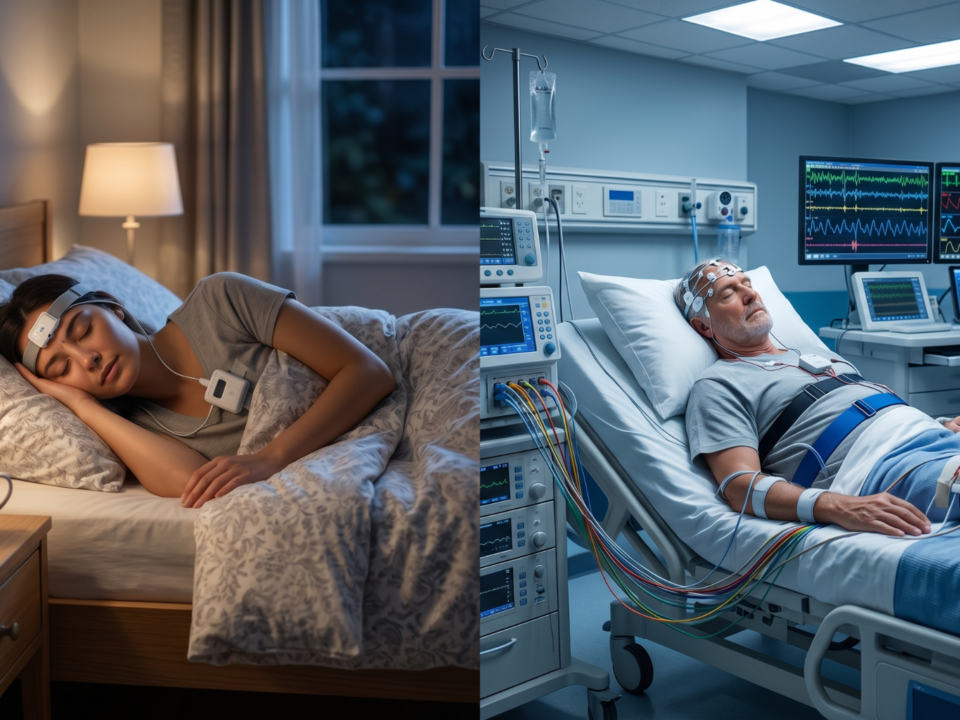
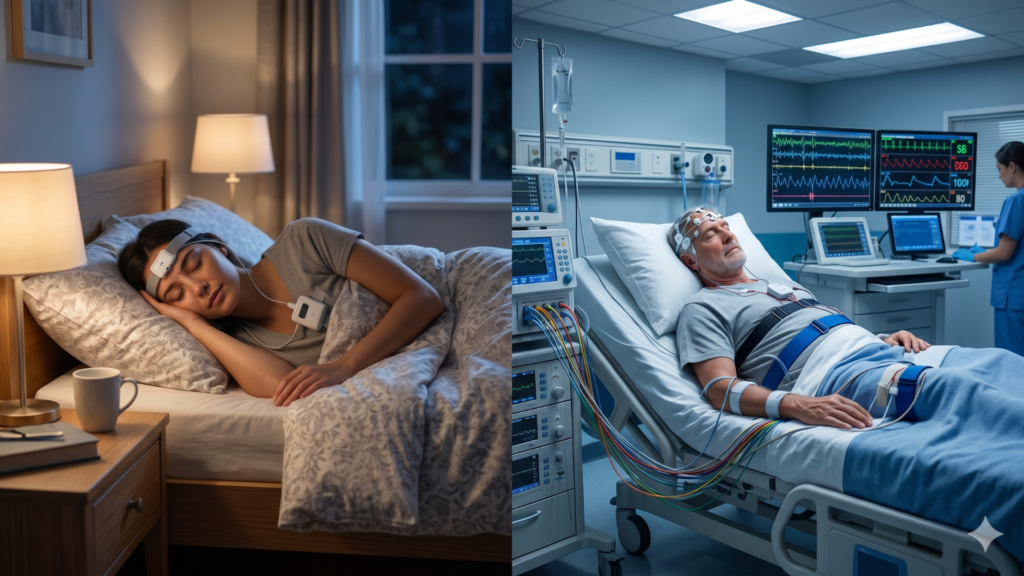
1. In-Lab Sleep Study
Conducted overnight in a sleep clinic under medical supervision.
Best for:
- Complex sleep disorders
- Severe symptoms
- Detailed evaluation
2. Home Sleep Test
Conducted at home using portable monitoring equipment.
Best for:
- Suspected obstructive sleep apnea
- Patients seeking convenience
- Initial screening
How to Prepare for a Sleep Study
Preparation is usually simple, but following instructions carefully helps ensure accurate results.
Common preparation guidelines:
- Avoid caffeine and alcohol before the test
- Maintain your normal sleep schedule
- Bring comfortable sleepwear
- Inform your doctor about medications
For lab studies, patients may also bring personal comfort items like pillows.
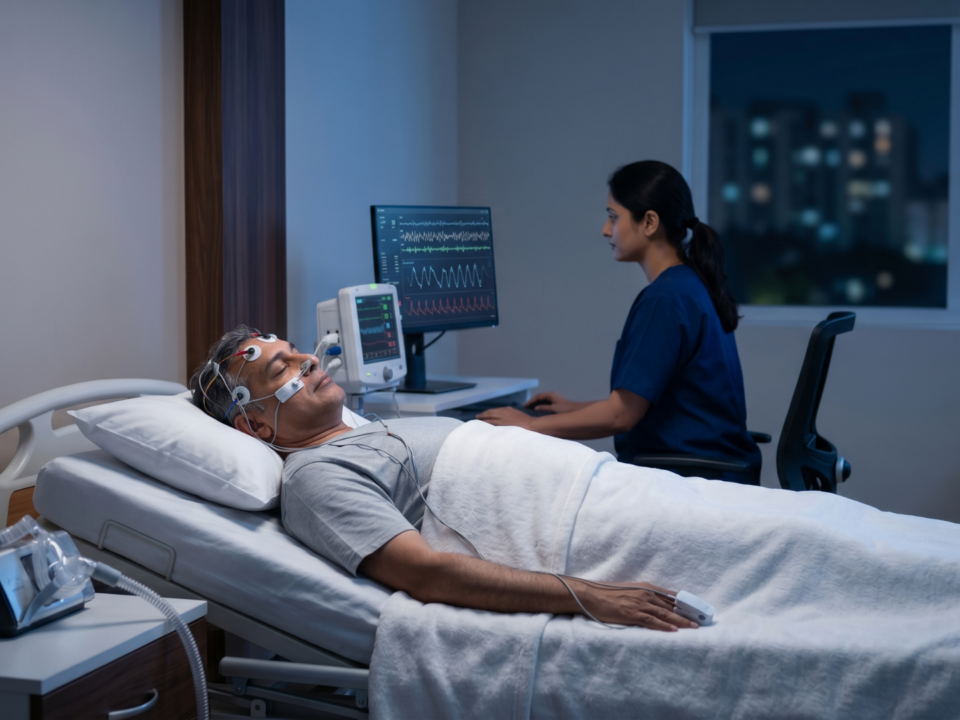
What Happens During a Sleep Study Test?
Here’s a step-by-step breakdown of the process.
Step 1: Arrival and Setup
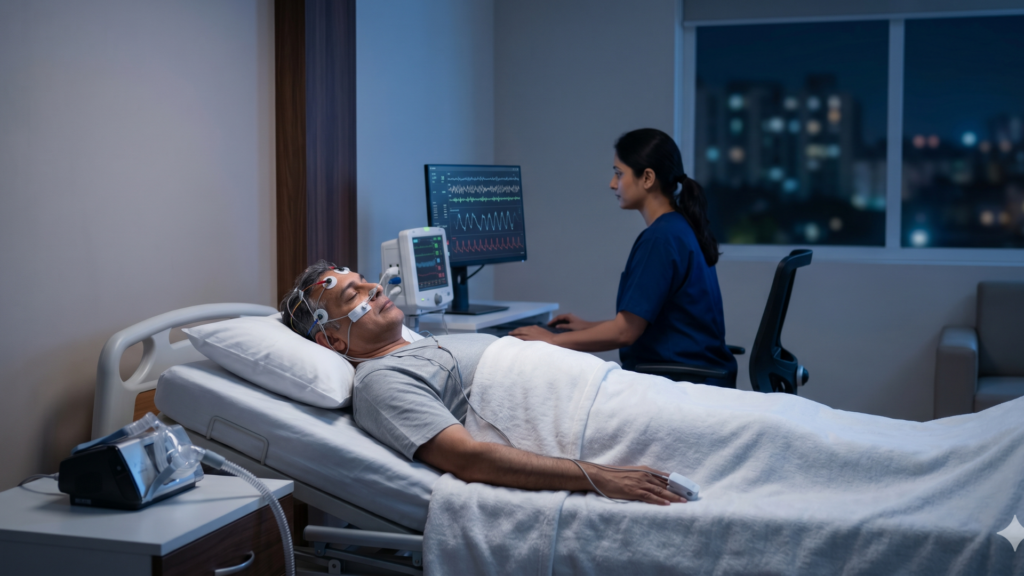
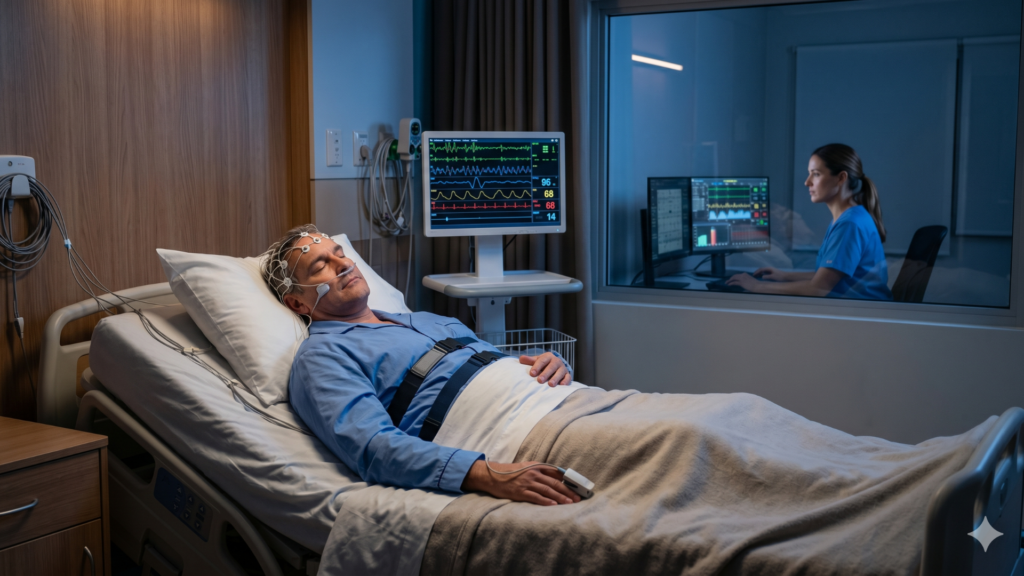
For an in-lab study, patients typically arrive at the sleep clinic in the evening.
A sleep technician will:
- Explain the procedure
- Prepare the room
- Attach monitoring sensors
The environment is designed to be quiet and comfortable.
Step 2: Sensor Placement
Small sensors are attached to different parts of the body to monitor sleep activity.
These sensors track:
- Brain waves
- Eye movements
- Breathing patterns
- Oxygen levels
- Heart rate
- Muscle activity
The setup is painless and non-invasive.
Step 3: Sleeping Overnight
Once the setup is complete, patients sleep as they normally would.
During sleep, specialists monitor:
- Breathing interruptions
- Snoring
- Sleep stages
- Body movement
For home sleep tests, portable devices record similar data while patients sleep at home.
Step 4: Monitoring Throughout the Night
Sleep technicians monitor the data remotely during the night.
If necessary, adjustments can be made to ensure accurate recordings.
Step 5: Morning Completion
In most cases, the test ends early in the morning.
Sensors are removed, and patients can return home shortly afterward.
What Does a Sleep Study Diagnose?
A sleep study helps diagnose several conditions, including:
- Obstructive sleep apnea
- Insomnia
- Restless leg syndrome
- Narcolepsy
- Parasomnias
The test helps identify the root cause of poor sleep.
Is a Sleep Study Painful or Uncomfortable?
One of the biggest misconceptions is that sleep studies are painful.
In reality:
- The procedure is non-invasive
- Sensors are painless
- Patients are monitored safely throughout the night
While sleeping with sensors may feel unfamiliar initially, most people adjust quickly.
How Accurate is a Sleep Study?
Sleep studies are considered highly accurate for diagnosing sleep disorders.
Lab studies provide the most comprehensive data, while home sleep tests are highly effective for diagnosing obstructive sleep apnea in many patients.
What Happens After the Sleep Study?
After the test:
- Data is analyzed by sleep specialists
- A diagnosis is made
- Treatment recommendations are provided
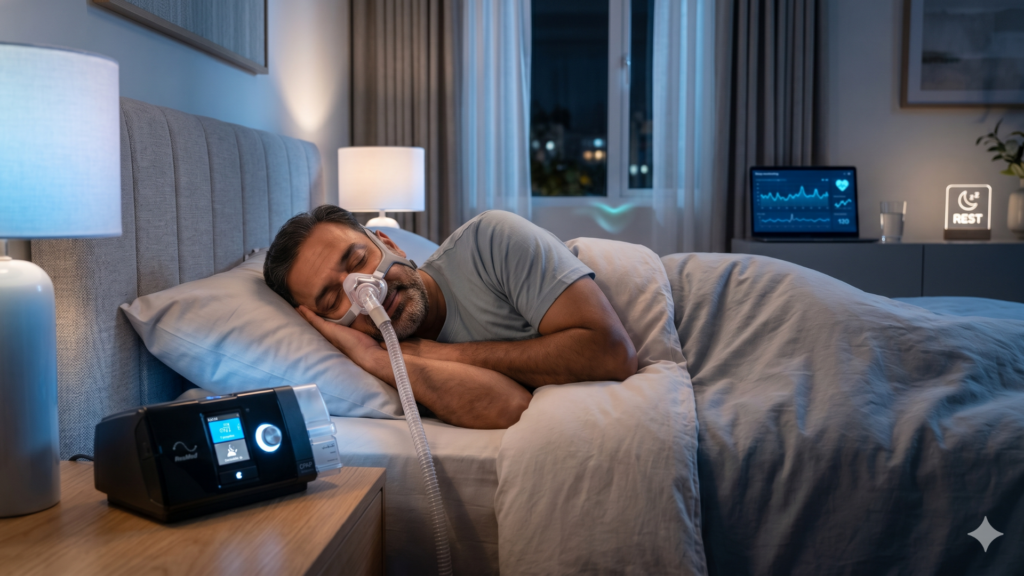
Treatment may include:
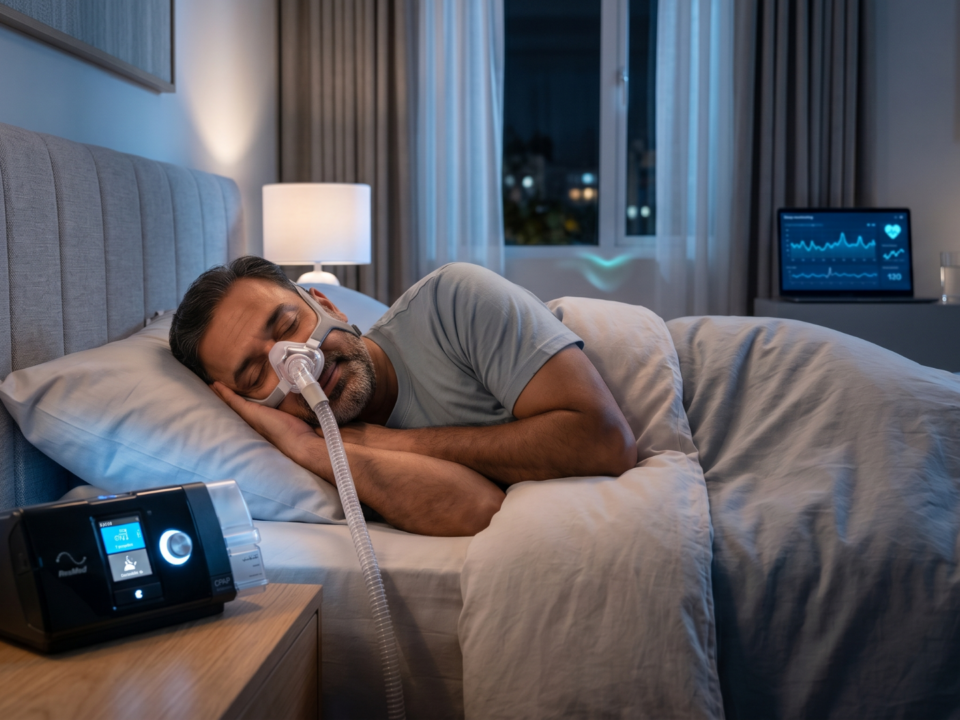
- CPAP therapy
- Lifestyle changes
- Medication
- Additional testing if needed
Common Mistakes Patients Make
Many patients unknowingly affect test accuracy by:
- Consuming caffeine before the test
- Not following preparation instructions
- Delaying testing despite symptoms
- Avoiding sleep studies due to fear or misconceptions
These mistakes can delay diagnosis and treatment.
When Should You Consider a Sleep Study?
You should consider a sleep study if you experience:
- Chronic snoring
- Daytime fatigue
- Breathing interruptions during sleep
- Difficulty concentrating
- Poor sleep quality despite enough sleep hours
Early testing helps prevent long-term complications.
Benefits of Early Sleep Disorder Diagnosis
Timely diagnosis can:
- Improve sleep quality
- Increase daytime energy
- Reduce health risks
- Improve mental focus
- Prevent complications related to untreated sleep apnea
Frequently Asked Questions
Can I sleep normally during a sleep study?
Yes, most patients are able to sleep sufficiently for accurate monitoring.
How long does a sleep study take?
Typically, it is conducted overnight.
Is a home sleep test accurate?
Yes, especially for diagnosing obstructive sleep apnea.
Do I need a doctor’s recommendation for a sleep study?
A consultation with a sleep specialist is generally recommended.
Why Sleep Studies Are Important
Understanding what happens during a sleep study test helps reduce fear and encourages early diagnosis.
Sleep studies play a crucial role in:
- Identifying sleep disorders
- Improving treatment accuracy
- Preventing serious health complications
- Enhancing overall quality of life
Conclusion
A sleep study is a safe, effective, and essential diagnostic tool for identifying the root cause of sleep-related issues. Whether conducted at home or in a sleep clinic, the test provides valuable insights that help specialists recommend the right treatment plan.
If you experience symptoms such as loud snoring, daytime fatigue, or interrupted sleep, delaying diagnosis can impact your long-term health and well-being.
At SleepBlizz, advanced sleep diagnostics and expert-guided care help patients achieve accurate diagnosis, effective treatment, and better sleep health.
👉 Book your sleep study consultation today and take the first step toward healthier, uninterrupted sleep.
Internal Linking Suggestions
- Sleep Test Cost in Bangalore
- Home Sleep Test vs Lab Sleep Study
- Sleep Apnea Symptoms in Adults
- Best CPAP Machine in India
External Linking Suggestions
- National Sleep Foundation
- American Academy of Sleep Medicine