Sleep disorders are becoming increasingly common, affecting millions of adults with symptoms like loud snoring, daytime fatigue, interrupted sleep, and breathing difficulties at night.
When these symptoms persist, doctors often recommend a sleep study for accurate diagnosis. However, many patients struggle to decide between a home sleep test vs lab sleep study because both options serve different purposes.
Choosing the right test depends on:
- Symptoms severity
- Medical history
- Convenience
- Diagnostic requirements
Understanding the differences between these two testing methods can help you make an informed decision and begin effective treatment sooner.
What is a Sleep Study?
A sleep study, also known as polysomnography, is a diagnostic test used to monitor body functions during sleep.
It evaluates:
- Breathing patterns
- Oxygen levels
- Heart rate
- Brain activity
- Sleep stages
- Body movement
Sleep studies help diagnose conditions such as:
- Obstructive sleep apnea
- Insomnia
- Restless leg syndrome
- Narcolepsy
What is a Home Sleep Test?
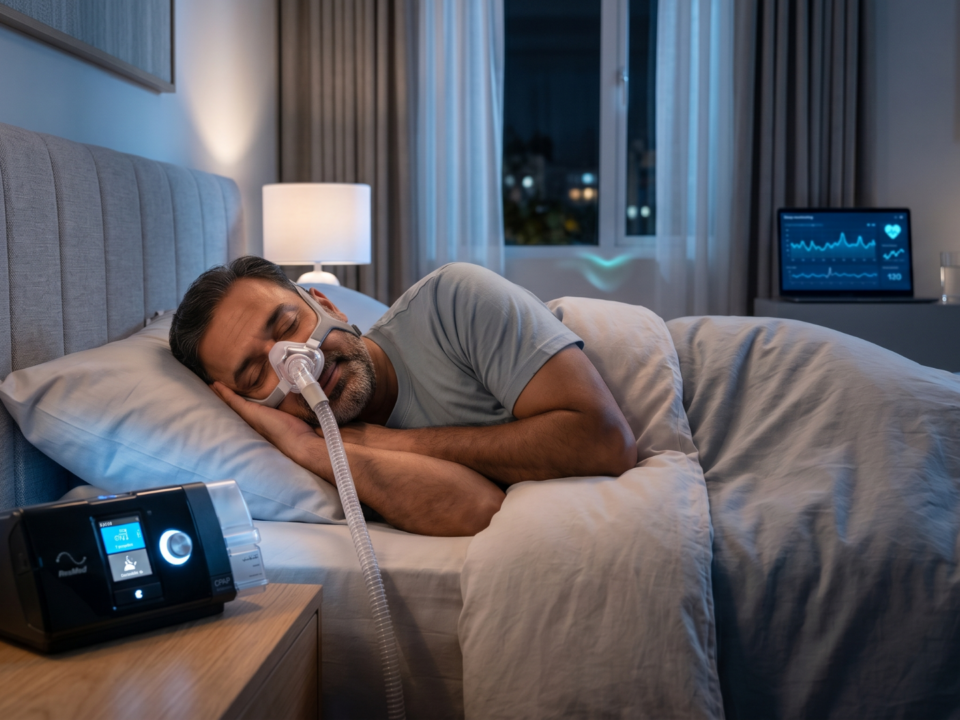
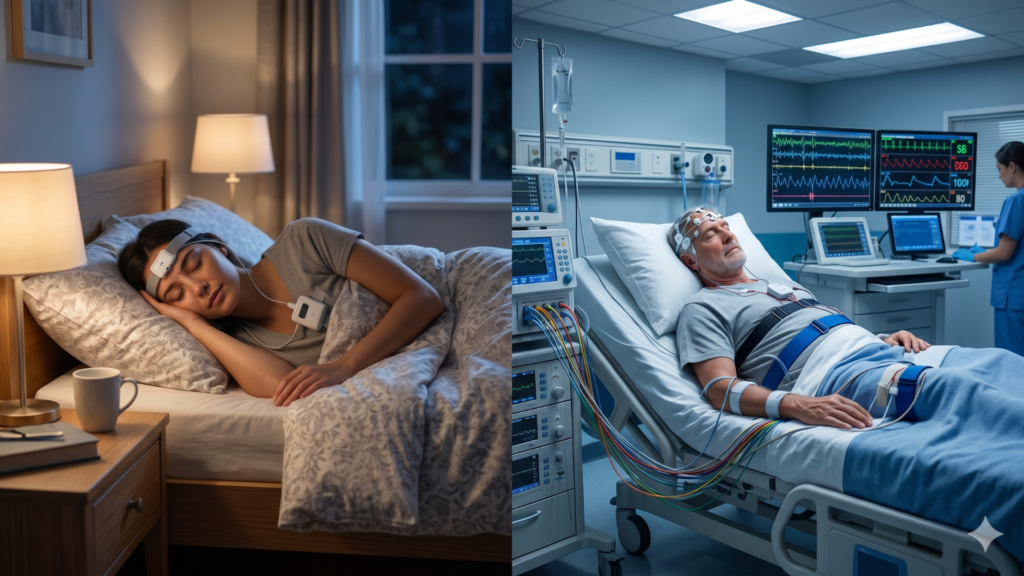
A home sleep test is a simplified sleep study performed in the comfort of your home using portable monitoring equipment.
The device typically records:
- Breathing patterns
- Oxygen levels
- Heart rate
- Airflow
Home sleep tests are most commonly used to diagnose obstructive sleep apnea.
Advantages of Home Sleep Tests
1. Convenience
Patients can sleep in their own bed, which often feels more comfortable.
2. Lower Cost
Home sleep tests are generally more affordable than lab studies.
3. Easy Setup
Portable devices are simple to use with basic instructions.
4. Faster Access
Scheduling is often quicker compared to sleep clinics.
Limitations of Home Sleep Tests
Despite convenience, home tests have limitations.
1. Limited Data Collection
Home tests do not monitor:
- Brain activity
- Sleep stages
- Muscle movement
2. Not Suitable for Complex Cases
Patients with multiple sleep disorders may require more comprehensive evaluation.
3. Accuracy Depends on Proper Usage
Improper sensor placement can affect results.
What is a Lab Sleep Study?
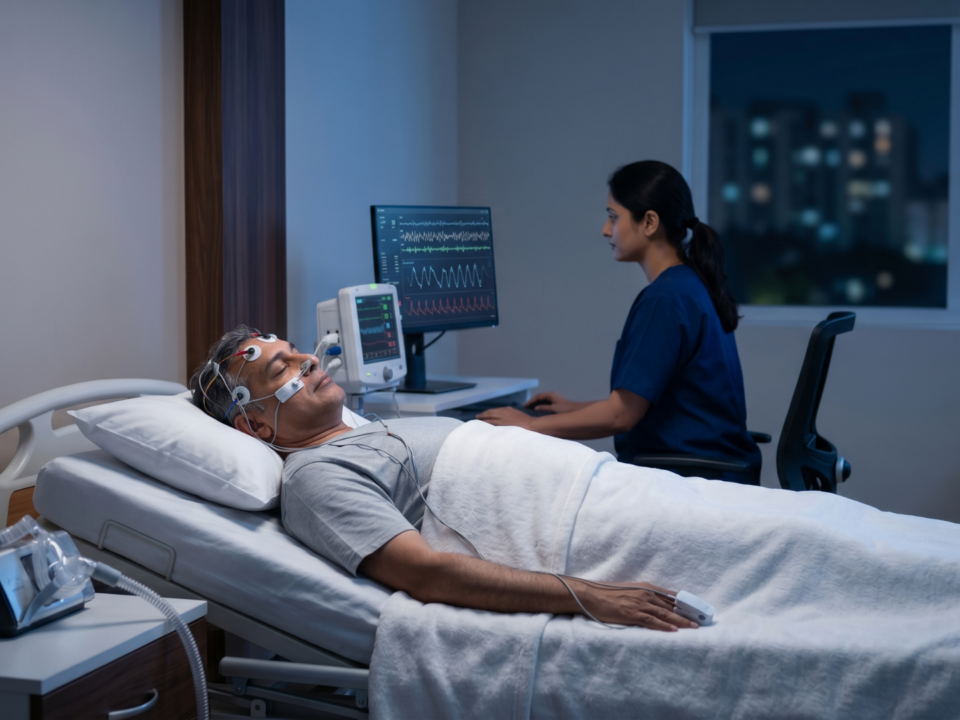
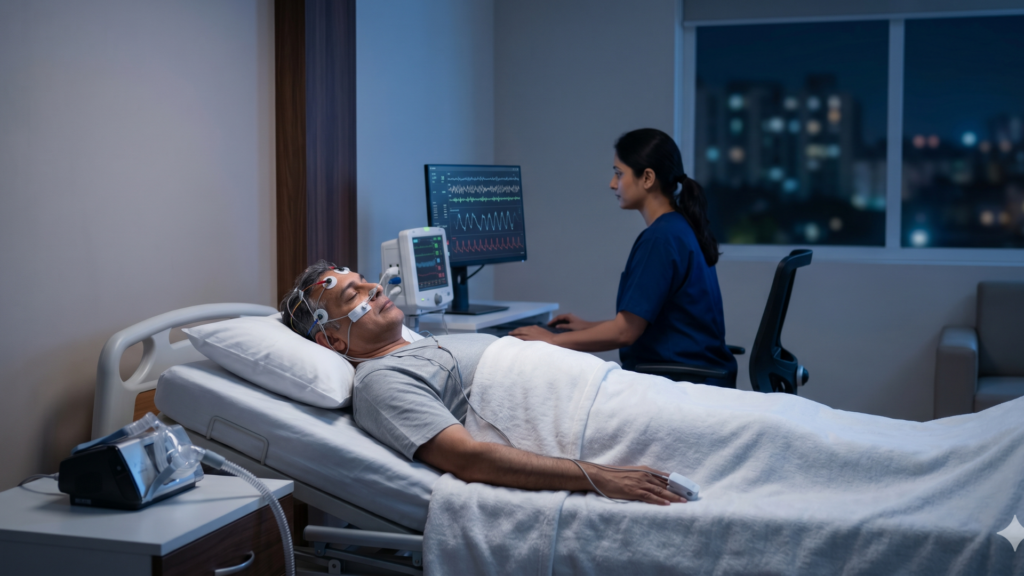
A lab sleep study is conducted overnight in a sleep clinic under professional supervision.
It is considered the most comprehensive method for diagnosing sleep disorders.
The study monitors:
- Brain waves
- Oxygen levels
- Breathing patterns
- Eye movements
- Muscle activity
- Heart rhythm
Advantages of Lab Sleep Studies
1. Comprehensive Diagnosis
Lab studies provide detailed information about sleep quality and disorders.
2. Higher Diagnostic Accuracy
Especially useful for:
- Complex sleep disorders
- Severe symptoms
- Multiple sleep-related conditions
3. Professional Monitoring
Sleep technicians supervise the study throughout the night.
4. Better for Severe Cases
Lab studies are ideal for patients with complicated medical conditions.
Limitations of Lab Sleep Studies
1. Higher Cost
Lab sleep studies are usually more expensive.
2. Sleeping in an Unfamiliar Environment
Some patients may find it difficult to sleep comfortably in a clinic.
3. Appointment Availability
Scheduling may take longer depending on clinic availability.
Home Sleep Test vs Lab Sleep Study: Key Differences
| Feature | Home Sleep Test | Lab Sleep Study |
| Location | Home | Sleep Clinic |
| Comfort | High | Moderate |
| Cost | Lower | Higher |
| Monitoring Depth | Basic | Comprehensive |
| Brain Activity Monitoring | No | Yes |
| Best For | Sleep Apnea Screening | Complex Sleep Disorders |
| Professional Supervision | Limited | Full Monitoring |
Which Sleep Test is More Accurate?
When comparing home sleep test vs lab sleep study, lab studies generally provide more comprehensive and accurate data because they monitor more body functions.
However:
- Home sleep tests are highly effective for diagnosing obstructive sleep apnea in many patients.
- Lab studies are preferred when symptoms are severe or unclear.
Who Should Choose a Home Sleep Test?
A home sleep test may be suitable if:
- You have mild to moderate sleep apnea symptoms
- You prefer convenience
- You want a lower-cost option
- Your doctor suspects uncomplicated obstructive sleep apnea
Who Should Choose a Lab Sleep Study?
A lab sleep study is recommended if:
- Symptoms are severe
- Multiple sleep disorders are suspected
- Previous home tests were inconclusive
- You have underlying medical conditions
How Much Do Sleep Studies Cost?
Costs vary depending on:
- Test type
- Clinic location
- Technology used
Generally:
- Home sleep tests are more affordable
- Lab studies cost more due to advanced monitoring and professional supervision
Can Home Sleep Tests Miss Sleep Disorders?
Yes, because home tests focus mainly on breathing-related issues.
Conditions like:
- Narcolepsy
- REM sleep disorders
- Periodic limb movement disorder
may require a lab study for accurate diagnosis.
What Happens After the Sleep Study?
After testing:
- Data is analyzed by sleep specialists
- A diagnosis is confirmed
- Treatment recommendations are provided
Treatment may include:
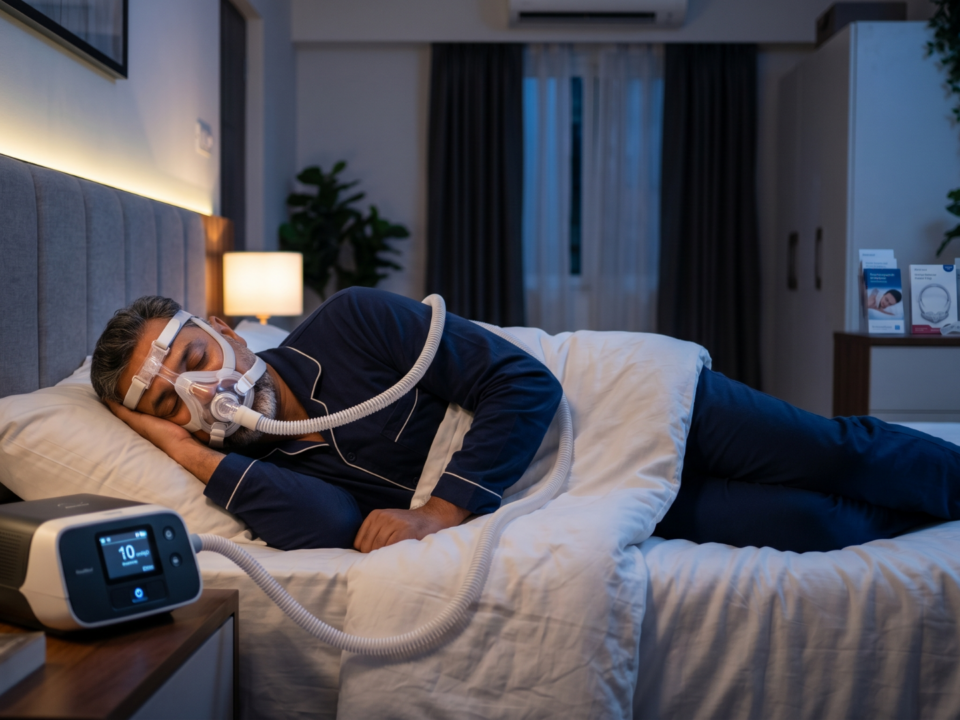
- CPAP therapy
- Lifestyle changes
- Medication
- Additional evaluations
Common Mistakes Patients Make
Many individuals delay diagnosis because they:
- Ignore symptoms
- Assume snoring is harmless
- Avoid testing due to fear or cost concerns
- Self-diagnose online
These delays can worsen sleep disorders over time.
How to Choose the Right Sleep Test
To select the right option:
- Consult a sleep specialist
- Discuss symptoms clearly
- Consider convenience vs diagnostic depth
- Prioritize accurate diagnosis over short-term savings
Frequently Asked Questions
Is a home sleep test accurate?
Yes, especially for diagnosing obstructive sleep apnea.
Can I sleep normally during a lab study?
Most patients sleep sufficiently for accurate testing.
Which sleep study is more comfortable?
Home sleep tests are generally more comfortable due to the familiar environment.
Do all snoring patients need a lab sleep study?
Not always. The right test depends on symptoms and medical evaluation.
Why Choosing the Right Sleep Test Matters
Understanding the difference between home sleep test vs lab sleep study helps patients make informed decisions and receive appropriate treatment sooner.
Early diagnosis can:
- Improve sleep quality
- Reduce fatigue
- Prevent health complications
- Improve long-term well-being
Conclusion
Both home sleep tests and lab sleep studies play important roles in diagnosing sleep disorders. The right choice depends on your symptoms, medical history, and diagnostic needs.
While home tests offer convenience and affordability, lab studies provide deeper analysis for complex cases.
At SleepBlizz, expert sleep specialists guide patients through every stage of diagnosis—from selecting the right sleep study to personalized treatment planning and ongoing sleep care.
👉 Book your sleep consultation today and find the right sleep testing solution for healthier, uninterrupted sleep.
Internal Linking Suggestions
- Sleep Test Cost in Bangalore
- What Happens During a Sleep Study Test
- Sleep Apnea Symptoms in Adults
- Best CPAP Machine in India
External Linking Suggestions
- American Academy of Sleep Medicine
- National Sleep Foundation