Many people assume snoring is harmless. While occasional snoring may not be a serious issue, persistent loud snoring can sometimes indicate a more dangerous condition known as sleep apnea.
Understanding the difference between snoring vs sleep apnea is essential because the two conditions are often confused. While both involve disrupted breathing during sleep, sleep apnea is a medical disorder that can significantly impact long-term health.
Recognizing the warning signs early can help prevent serious complications such as heart disease, chronic fatigue, and high blood pressure.
This guide explains the major differences between snoring and sleep apnea, symptoms to watch for, risk factors, and when medical evaluation becomes necessary.
What is Snoring?
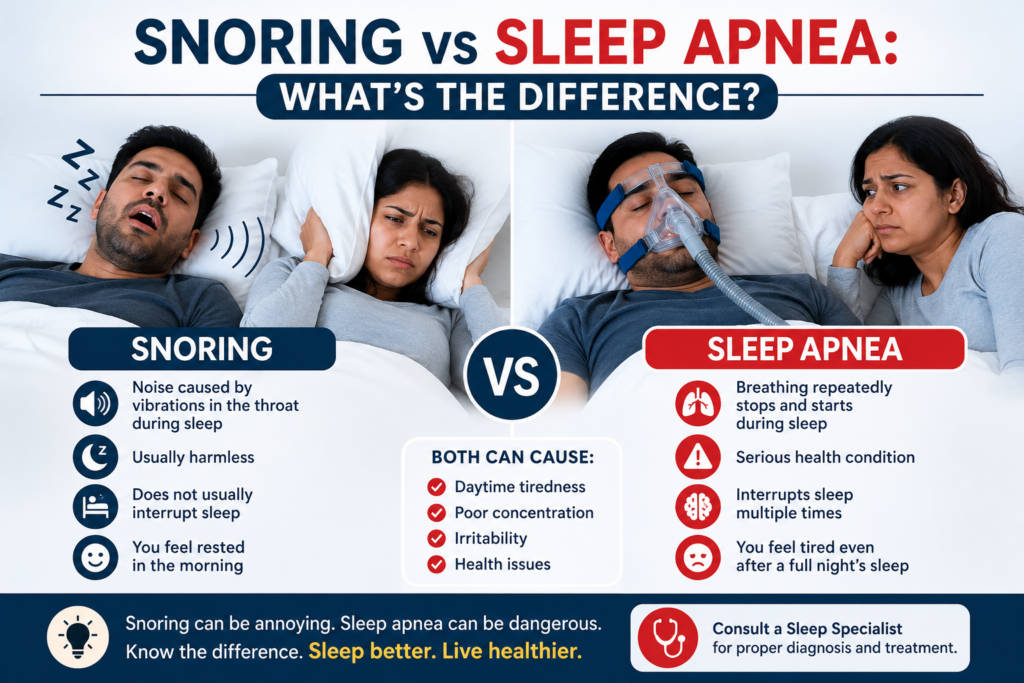
Snoring occurs when airflow is partially blocked while sleeping, causing throat tissues to vibrate and produce sound.
Occasional snoring is common and may result from:
- Sleeping position
- Nasal congestion
- Fatigue
- Alcohol consumption
In many cases, simple lifestyle changes can reduce snoring.
What is Sleep Apnea?
Sleep apnea is a serious sleep disorder where breathing repeatedly stops and starts during sleep.
The most common type is obstructive sleep apnea (OSA), which occurs when throat muscles relax excessively and block the airway.
Unlike normal snoring, sleep apnea reduces oxygen supply and disrupts sleep cycles throughout the night.
Snoring vs Sleep Apnea: Key Differences
| Feature | Snoring | Sleep Apnea |
| Sound During Sleep | Common | Common |
| Breathing Pauses | Rare | Frequent |
| Oxygen Levels | Usually Normal | Often Reduced |
| Daytime Fatigue | Mild or None | Severe |
| Health Risks | Minimal | Serious |
| Medical Treatment | Sometimes Needed | Usually Necessary |
👉 While snoring can be harmless, sleep apnea requires proper diagnosis and treatment.
Common Symptoms of Snoring
Snoring symptoms may include:
- Noisy breathing during sleep
- Dry mouth in the morning
- Mild sleep disruption
- Occasional daytime tiredness
However, snoring alone does not always indicate a medical disorder.
Common Symptoms of Sleep Apnea
Sleep apnea symptoms are more severe and may include:
- Loud chronic snoring
- Breathing interruptions during sleep
- Choking or gasping at night
- Excessive daytime sleepiness
- Morning headaches
- Difficulty concentrating
- Mood changes or irritability
These symptoms often worsen over time if untreated.
Why Sleep Apnea is More Dangerous
Sleep apnea affects oxygen flow and sleep quality, increasing the risk of:
- High blood pressure
- Heart disease
- Stroke
- Diabetes
- Depression
- Reduced productivity
Repeated oxygen deprivation places stress on the body and cardiovascular system.
What Causes Snoring and Sleep Apnea?
Both conditions share some common causes:
Shared Risk Factors:
- Excess weight
- Smoking
- Alcohol consumption
- Nasal congestion
- Sleeping on the back
However, sleep apnea usually involves more severe airway obstruction.
Who is at Higher Risk for Sleep Apnea?
You may be at higher risk if you:
- Are overweight
- Are over 40 years old
- Have a family history of sleep apnea
- Experience excessive daytime fatigue
- Have high blood pressure
Men are generally at higher risk, though women can also develop sleep apnea.
When Should You Be Concerned About Snoring?
Snoring may require medical attention if it is accompanied by:
- Breathing pauses during sleep
- Choking or gasping
- Severe daytime fatigue
- Morning headaches
- Poor concentration
These are strong indicators of possible sleep apnea.
How Sleep Apnea is Diagnosed
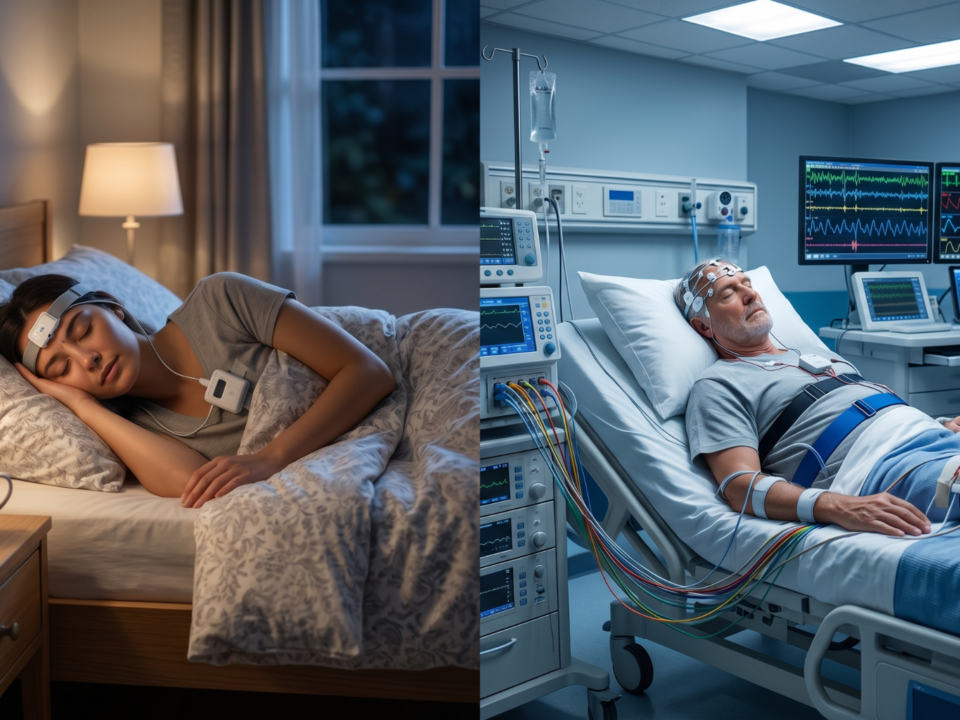
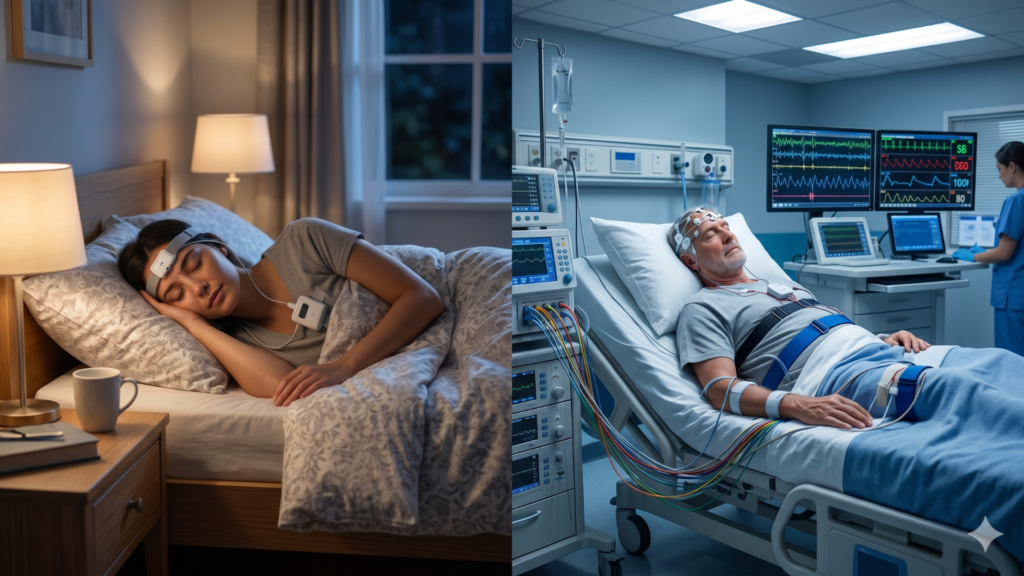
A sleep specialist may recommend a sleep study to confirm diagnosis.
Common testing options include:
1. Home Sleep Test
A convenient test performed at home using portable monitoring equipment.
Best for:
- Suspected obstructive sleep apnea
- Mild to moderate symptoms
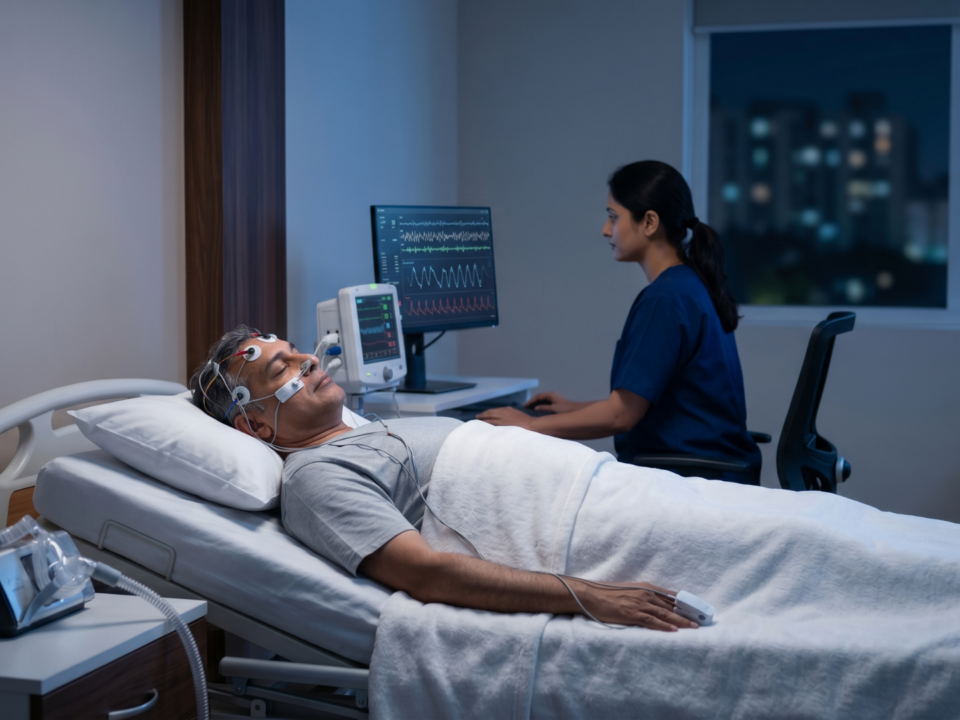
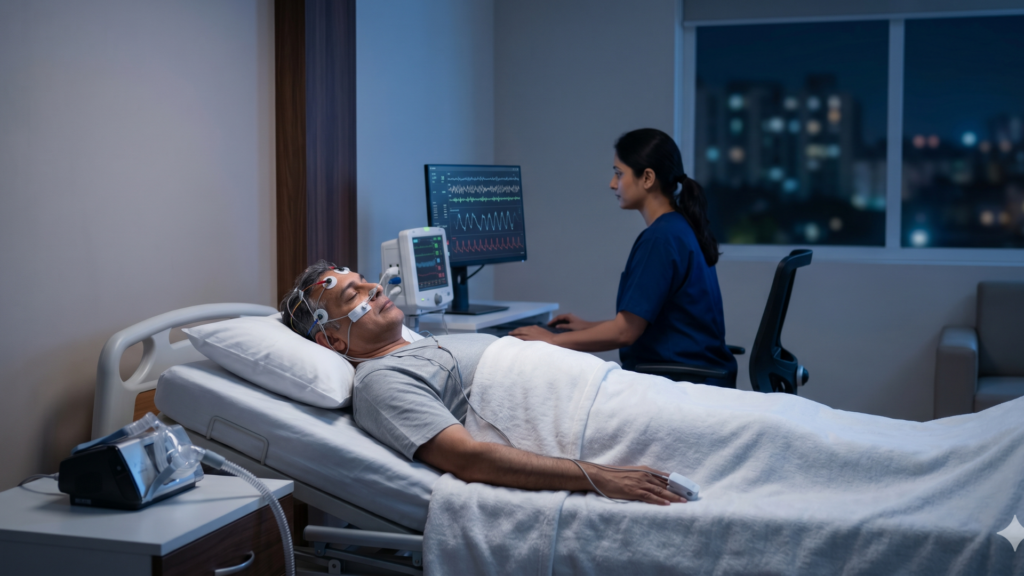
2. Lab Sleep Study (Polysomnography)
Conducted in a sleep clinic under medical supervision.
Monitors:
- Brain activity
- Oxygen levels
- Breathing patterns
- Heart rate
This is considered the most comprehensive diagnostic method.
Treatment Options for Snoring
Simple snoring may improve with lifestyle changes such as:
- Weight loss
- Sleeping on the side
- Avoiding alcohol before bed
- Treating nasal congestion
In some cases, oral appliances may help improve airflow.
Treatment Options for Sleep Apnea
Sleep apnea often requires medical treatment.
Common options include:
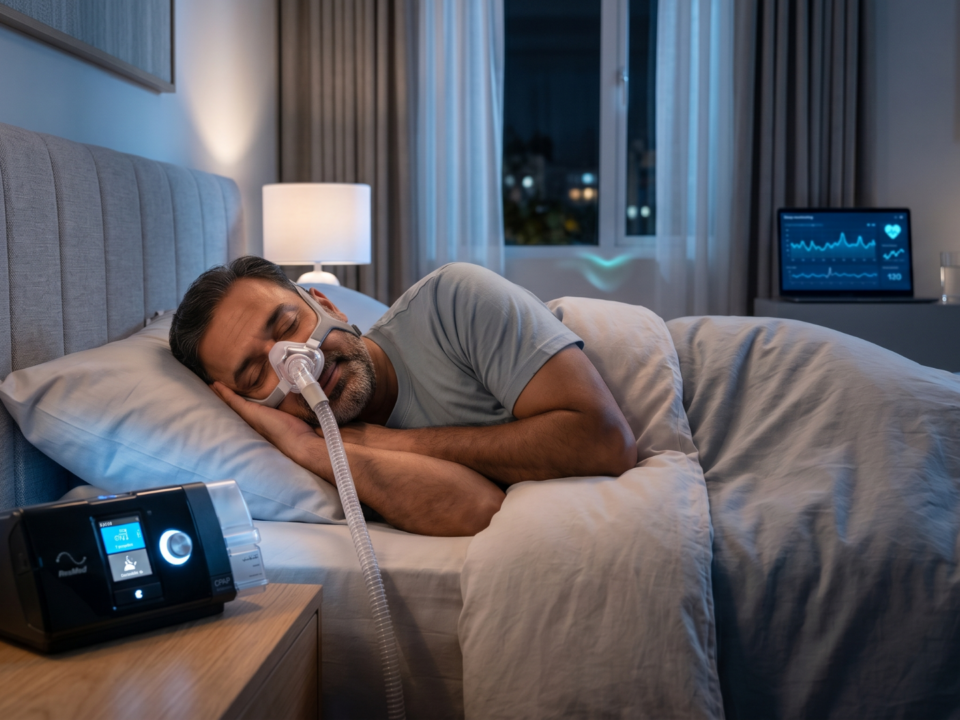
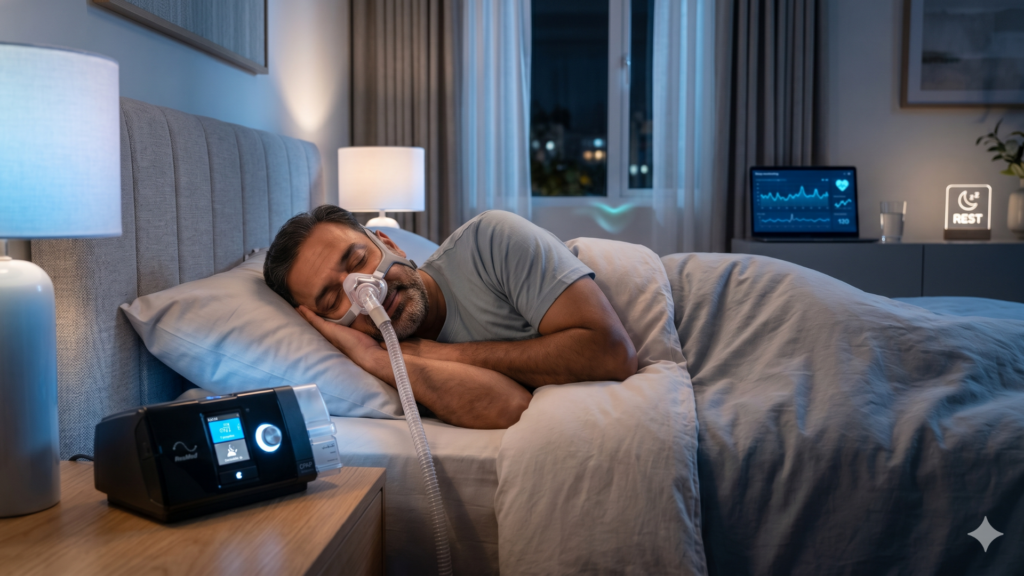
1. CPAP Therapy
A CPAP machine keeps the airway open by delivering continuous airflow during sleep.
This is one of the most effective sleep apnea treatments.
2. Lifestyle Changes
- Weight management
- Regular exercise
- Smoking cessation
3. Oral Appliances
Devices that reposition the jaw to improve breathing.
4. Surgical Treatment
Recommended in severe cases where airway obstruction is significant.
Can Snoring Turn Into Sleep Apnea?
Not everyone who snores develops sleep apnea, but chronic loud snoring increases the likelihood of underlying airway issues.
Persistent symptoms should always be evaluated professionally.
Common Mistakes People Make
Many individuals delay treatment because they:
- Assume snoring is harmless
- Ignore fatigue symptoms
- Avoid sleep testing
- Self-diagnose online
These delays can increase long-term health risks.
How to Take Action Early
If you suspect sleep apnea:
1. Monitor Symptoms
Track snoring intensity and daytime fatigue.
2. Consult a Sleep Specialist
Professional evaluation is essential.
3. Get a Sleep Test
A sleep study can confirm the diagnosis accurately.
4. Start Treatment Early
Timely treatment improves sleep quality and overall health outcomes.
Frequently Asked Questions
Is snoring always a sign of sleep apnea?
No, but loud chronic snoring can be a warning sign.
Can sleep apnea go away naturally?
Mild cases may improve with lifestyle changes, but many patients require treatment.
Is a home sleep test accurate?
Yes, especially for diagnosing obstructive sleep apnea.
Can untreated sleep apnea become dangerous?
Yes, untreated sleep apnea can increase the risk of serious health conditions.
Why Understanding the Difference Matters
Knowing the difference between snoring vs sleep apnea helps individuals recognize when symptoms may require medical attention.
Early diagnosis can:
- Improve sleep quality
- Reduce fatigue
- Prevent serious health complications
- Improve overall well-being
Conclusion
While snoring may seem harmless, it can sometimes indicate a more serious sleep disorder like sleep apnea. Understanding the difference is essential for protecting long-term health and improving sleep quality.
If you experience loud snoring, breathing interruptions, or chronic fatigue, professional evaluation is highly recommended.
At SleepBlizz, advanced sleep testing and personalized treatment solutions help patients identify the root cause of their sleep issues and achieve healthier, uninterrupted sleep.
👉 Book your sleep consultation today and take the first step toward better sleep health.
Internal Linking Suggestions
- Sleep Apnea Symptoms in Adults
- Why Do I Snore?
- Sleep Test Cost in Bangalore
- Home Sleep Test vs Lab Sleep Study
- Best CPAP Machine in India