
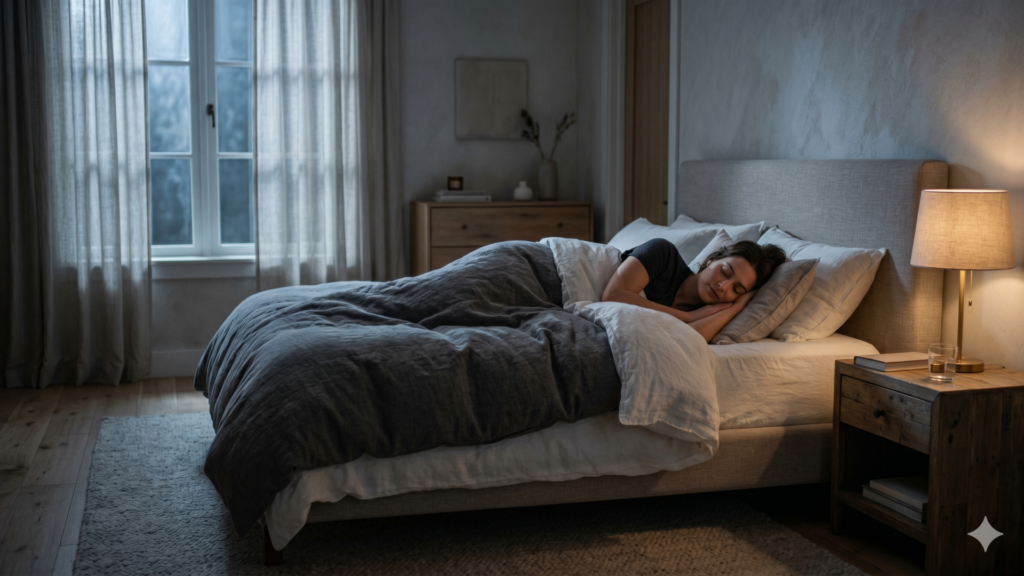
Getting quality sleep is no longer a luxury—it is essential for physical health, mental well-being, productivity, and overall quality of life. Yet millions of adults struggle with poor sleep, nighttime awakenings, fatigue, and difficulty falling asleep.
If you’re searching for ways on how to sleep better naturally, you’re not alone. Poor sleep has become increasingly common due to stress, screen exposure, irregular schedules, and untreated sleep disorders.
The good news is that better sleep often begins with small but consistent lifestyle changes. Understanding healthy sleep habits and recognizing underlying issues can significantly improve your sleep quality naturally.
This guide explores practical, science-backed strategies to help you sleep better, feel more energized, and improve your overall health.
Why Good Sleep Matters
Sleep is critical for the body’s recovery and repair processes. During sleep, the brain and body perform essential functions that support:
- Memory and concentration
- Immune system health
- Hormonal balance
- Heart health
- Emotional well-being
Poor sleep quality can affect nearly every aspect of daily life, from productivity and mood to long-term health.
Common Reasons Why People Struggle to Sleep
Before learning how to sleep better naturally, it’s important to understand what may be disrupting your sleep.
1. Stress and Anxiety
Mental stress is one of the leading causes of poor sleep. Overthinking and anxiety can keep the mind active at night.
2. Excess Screen Time
Exposure to blue light from phones, laptops, and TVs suppresses melatonin production, making it harder to fall asleep.
3. Irregular Sleep Schedule
Sleeping at inconsistent times disrupts the body’s internal clock.
4. Poor Sleep Environment
Noise, uncomfortable bedding, room temperature, and lighting can negatively impact sleep quality.
5. Sleep Disorders
Conditions like sleep apnea, insomnia, and restless leg syndrome can severely affect sleep quality.
12 Expert Tips on How to Sleep Better Naturally
1. Maintain a Consistent Sleep Schedule
Going to bed and waking up at the same time daily helps regulate your circadian rhythm.
👉 Consistency improves sleep quality over time.
2. Reduce Screen Exposure Before Bed
Avoid screens at least 1 hour before sleeping.
Instead:
- Read a book
- Listen to calming music
- Practice relaxation techniques
3. Create a Sleep-Friendly Environment
Your bedroom should be:
- Quiet
- Dark
- Cool and comfortable
Investing in quality bedding can also improve sleep comfort.
4. Avoid Heavy Meals Before Bedtime
Large meals late at night can cause discomfort and interrupt sleep.
5. Limit Caffeine and Alcohol
Caffeine can remain in the body for several hours, while alcohol disrupts deep sleep cycles.
6. Exercise Regularly
Regular physical activity improves sleep quality and helps reduce stress.
👉 However, avoid intense workouts close to bedtime.
7. Practice Relaxation Techniques
Meditation, breathing exercises, and mindfulness can calm the nervous system before sleep.
8. Reduce Daytime Naps
Long daytime naps can interfere with nighttime sleep.
9. Manage Stress Effectively
Stress management is critical for better sleep.
Helpful methods include:
- Journaling
- Therapy
- Meditation
- Yoga
10. Avoid Using the Bed for Work
Your brain should associate the bed with sleep—not work or scrolling on your phone.
11. Get Natural Sunlight During the Day
Exposure to sunlight helps regulate your body clock and melatonin production.
12. Identify Possible Sleep Disorders
If sleep problems continue despite lifestyle changes, an underlying sleep disorder may be the cause.
Common warning signs include:
- Loud snoring
- Excessive daytime fatigue
- Frequent awakenings
- Breathing interruptions during sleep
In such cases, consulting a sleep specialist is recommended.
When Poor Sleep May Be a Medical Problem
Many people assume poor sleep is normal, but chronic sleep problems can indicate medical conditions such as:
- Sleep apnea
- Insomnia
- Restless leg syndrome
- Anxiety-related sleep disorders
Ignoring symptoms can lead to:
- Fatigue
- Poor concentration
- High blood pressure
- Increased health risks
Early diagnosis is essential for effective treatment.
How Sleep Apnea Affects Sleep Quality
Sleep apnea is one of the most common causes of poor sleep in adults.
It occurs when breathing repeatedly stops during sleep, causing fragmented sleep cycles and reduced oxygen levels.
Common symptoms include:
- Loud snoring
- Morning headaches
- Daytime sleepiness
- Difficulty concentrating
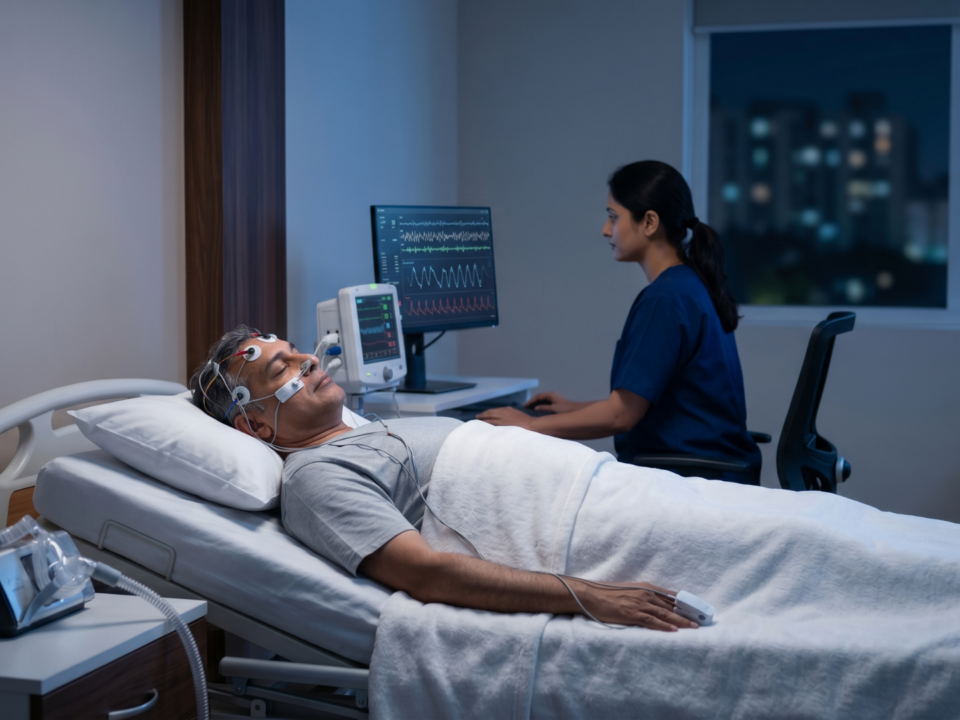
A sleep study can help diagnose the condition accurately.
Natural Sleep Improvement vs Medical Treatment
Lifestyle changes can improve mild sleep problems, but some individuals require professional treatment.
Depending on diagnosis, treatment options may include:
- Sleep therapy
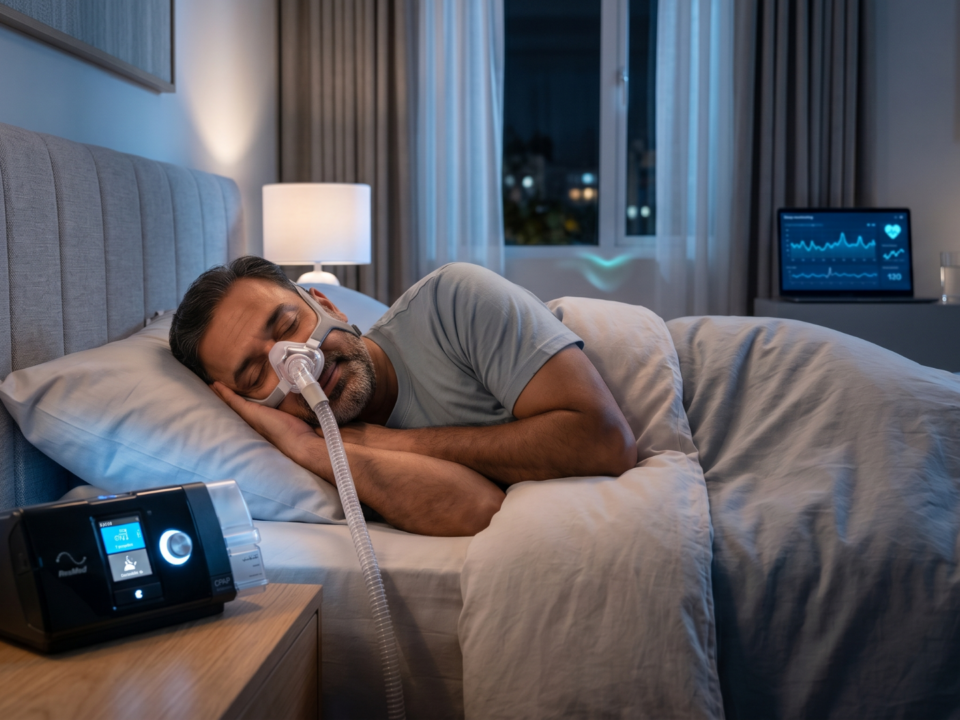
- CPAP machines
- Behavioral therapy
- Medication
The key is identifying the root cause early.
Common Mistakes People Make
Many individuals unknowingly worsen their sleep by:
- Using phones in bed
- Sleeping at inconsistent times
- Ignoring symptoms of sleep disorders
- Self-medicating without medical guidance
These habits can delay recovery and worsen long-term sleep quality.
How to Build Long-Term Healthy Sleep Habits
Improving sleep naturally requires consistency.
Start with:
- Fixed bedtime routine
- Better sleep environment
- Reduced stress
- Proper medical evaluation if needed
Small changes practiced consistently often produce the best results.
Frequently Asked Questions
How many hours of sleep do adults need?
Most adults require 7–9 hours of quality sleep each night.
Can poor sleep affect mental health?
Yes, sleep and mental health are closely connected.
Is snoring always a sign of sleep apnea?
Not always, but chronic loud snoring should be evaluated.
When should I see a sleep specialist?
If poor sleep persists for weeks despite lifestyle improvements.
Why Sleep Health Should Be Prioritized
Understanding how to sleep better naturally is essential because sleep directly affects:
- Physical health
- Mental performance
- Energy levels
- Immune function
- Long-term wellness
Good sleep is not optional—it is foundational to overall health.
Conclusion
Improving sleep naturally is possible with the right habits, lifestyle adjustments, and awareness of potential sleep disorders. While occasional sleep issues are common, persistent sleep problems should never be ignored.
If you continue to struggle with fatigue, snoring, or interrupted sleep, professional evaluation may help identify underlying causes and guide effective treatment.
At SleepBlizz, expert sleep specialists provide advanced diagnostics, sleep testing, and personalized treatment solutions designed to help individuals achieve healthier, more restorative sleep.
👉 Book your sleep consultation today and take the first step toward better sleep and better health.
Internal Linking Suggestions
- Sleep Apnea Symptoms in Adults
- Why Do I Snore?
- Sleep Test Cost in Bangalore
- Home Sleep Test vs Lab Sleep Study
External Linking Suggestions
- National Sleep Foundation
- American Academy of Sleep Medicine