If you’re experiencing symptoms like loud snoring, daytime fatigue, or disturbed sleep, your doctor may recommend a sleep test. But many patients face a common dilemma—should you choose a home sleep test or a lab sleep study?
Understanding the difference between a home sleep test vs lab sleep study is crucial for making the right decision. Both options help diagnose sleep disorders, but they vary in cost, accuracy, convenience, and level of monitoring.
Choosing the right test can speed up diagnosis, reduce costs, and ensure effective treatment.
What is a Home Sleep Test?
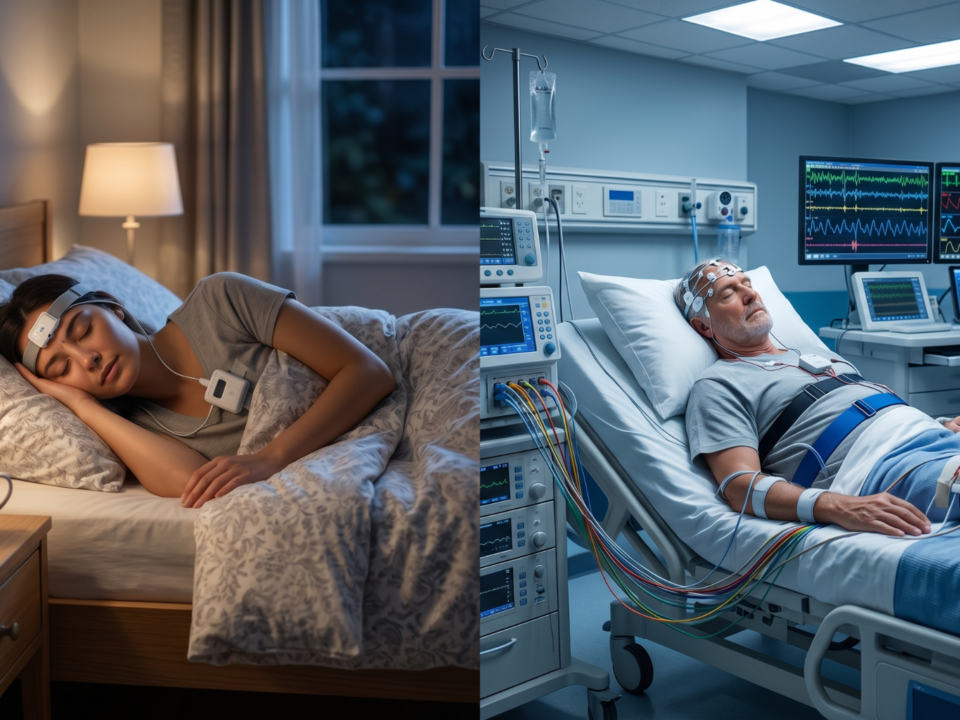
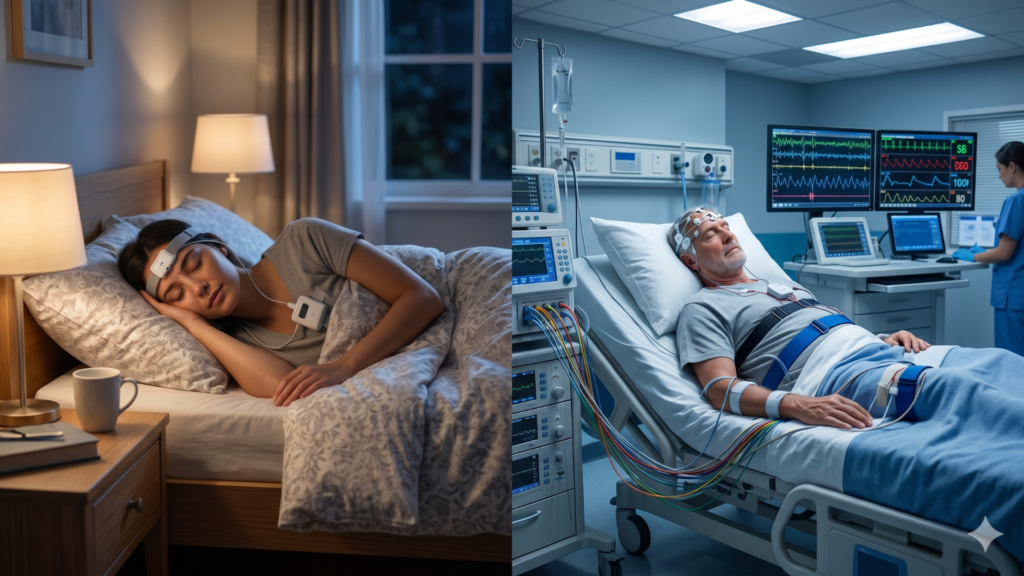
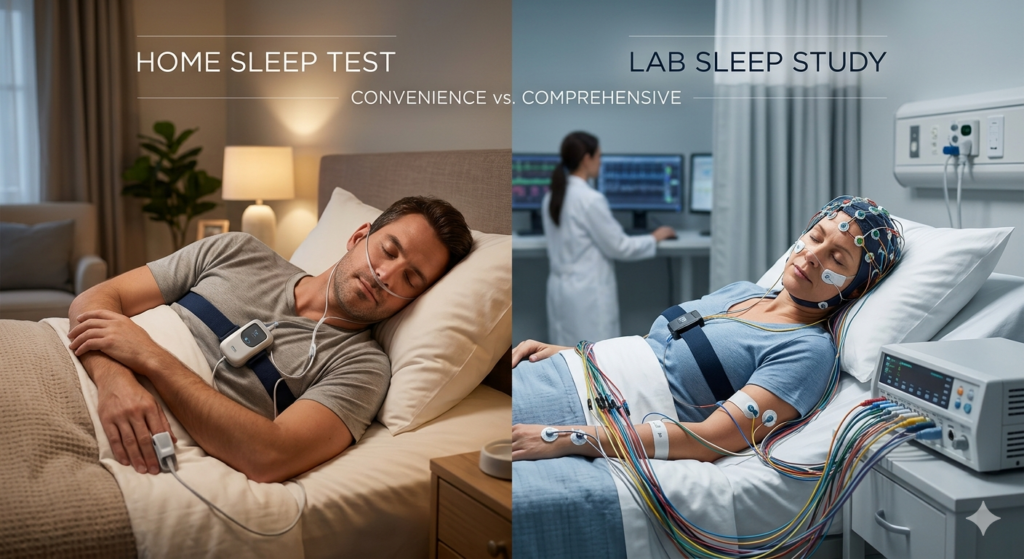
A home sleep test is a simplified diagnostic test that you can perform in the comfort of your home using portable equipment.
It typically measures:
- Breathing patterns
- Oxygen levels
- Heart rate
- Airflow
This test is primarily used to diagnose obstructive sleep apnea.
What is a Lab Sleep Study?
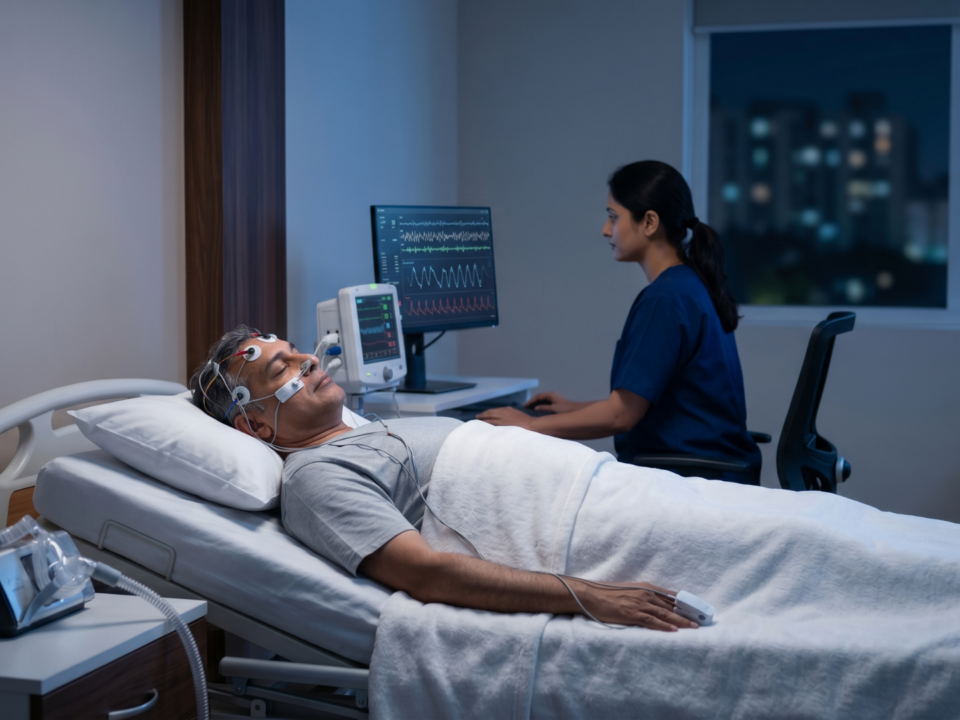
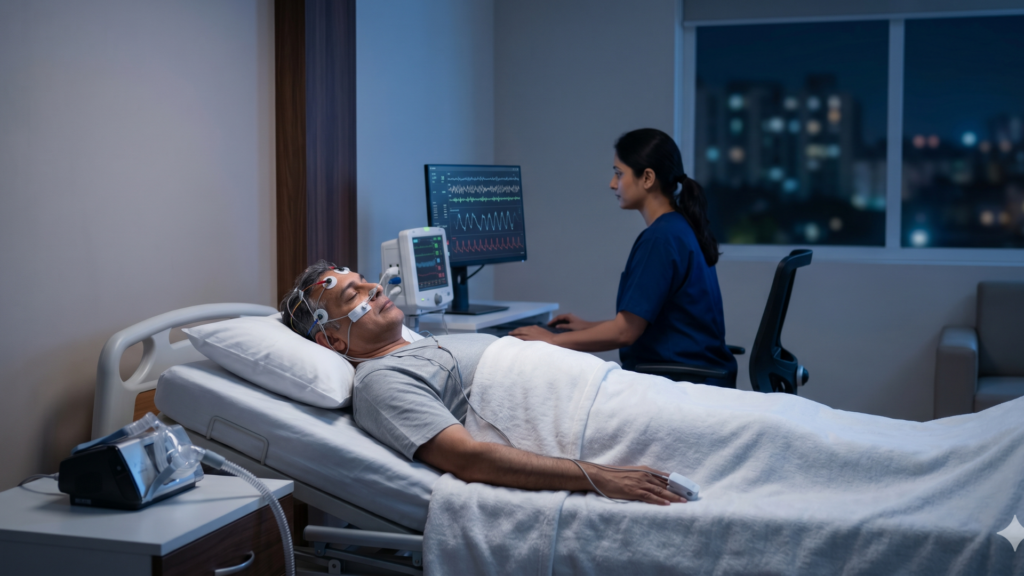
A lab sleep study, also known as polysomnography, is conducted in a specialized sleep clinic under medical supervision.
It monitors:
- Brain activity
- Eye movement
- Muscle activity
- Heart rhythm
- Breathing patterns
- Oxygen levels
This makes it a comprehensive test for diagnosing multiple sleep disorders.
Home Sleep Test vs Lab Sleep Study: Key Differences
| Feature | Home Sleep Test | Lab Sleep Study |
| Location | At home | Sleep clinic |
| Cost | Lower | Higher |
| Convenience | High | Moderate |
| Monitoring | Limited | Comprehensive |
| Accuracy | Good (for apnea) | Very High |
| Best For | Sleep apnea | Complex disorders |
Cost Comparison: Which is More Affordable?
When comparing home sleep test vs lab sleep study, cost is a major factor:
- Home Sleep Test: ₹2,000 – ₹10,000
- Lab Sleep Study: ₹8,000 – ₹25,000
👉 If budget is a concern, home testing is a more economical starting point.
Accuracy: Which Test is More Reliable?
- Lab sleep studies are considered the gold standard due to detailed monitoring.
- Home sleep tests are accurate for diagnosing moderate to severe sleep apnea.
👉 If your symptoms are complex, a lab study is recommended.
Convenience: Comfort vs Clinical Setting
Home Sleep Test
- Conducted in your own bed
- No hospital visit required
- Ideal for busy individuals
Lab Sleep Study
- Requires overnight stay in a clinic
- Supervised by technicians
- Controlled environment
👉 Home tests offer unmatched convenience, while lab studies provide precision.
Who Should Choose a Home Sleep Test?
A home sleep test is ideal if:
- You have symptoms of sleep apnea
- You prefer testing at home
- You want a cost-effective option
- Your condition is not severe or complex
Who Should Choose a Lab Sleep Study?
A lab sleep study is recommended if:
- You have multiple sleep-related symptoms
- Previous tests were inconclusive
- You suspect disorders beyond sleep apnea
- Your doctor recommends detailed monitoring
Pros and Cons of Each Option
Home Sleep Test
Pros:
- Affordable
- Convenient
- Comfortable environment
Cons:
- Limited data
- May miss complex disorders
Lab Sleep Study
Pros:
- Comprehensive analysis
- Highly accurate
- Suitable for complex cases
Cons:
- Expensive
- Less comfortable
- Requires clinic visit
Common Mistakes When Choosing a Sleep Test
Many patients make incorrect decisions due to:
- Choosing based only on cost
- Ignoring medical advice
- Delaying testing
- Assuming snoring is harmless
These mistakes can delay diagnosis and worsen health conditions.
How to Choose the Right Test for You
To decide between a home sleep test vs lab sleep study, consider:
1. Your Symptoms
Mild symptoms → Home test
Severe or complex symptoms → Lab study
2. Budget
Home tests are more affordable and widely accessible.
3. Doctor’s Recommendation
Always consult a sleep specialist before deciding.
4. Urgency
Home tests are quicker to arrange and complete.
What Happens After the Test?
Once your test is completed:
- Results are analyzed by a sleep specialist
- Diagnosis is confirmed
- Treatment plan is recommended
This may include:
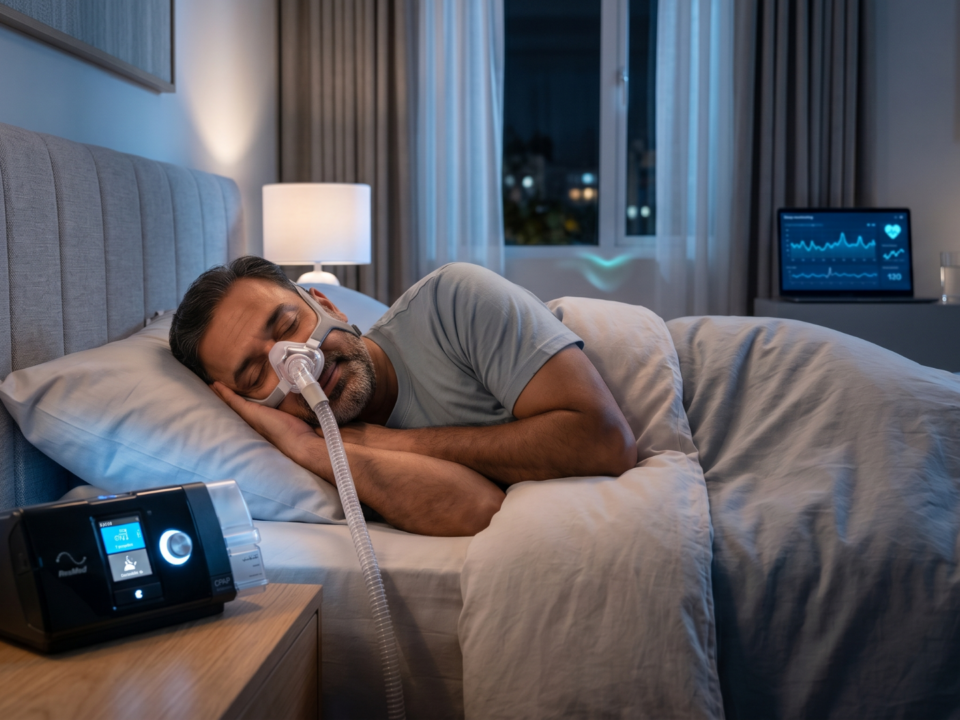
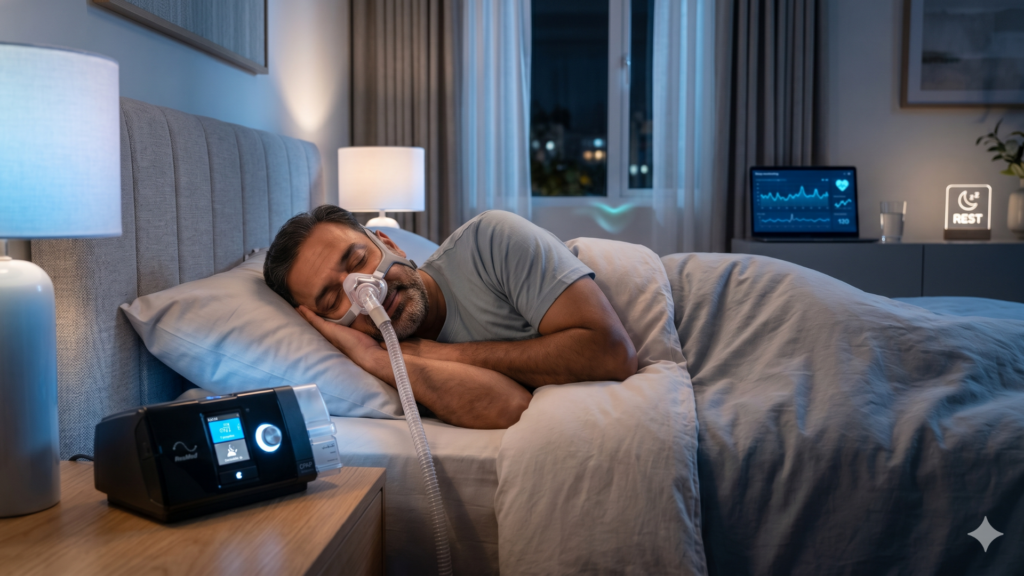
- CPAP therapy
- Lifestyle changes
- Medication or further testing
Frequently Asked Questions
Is a home sleep test enough to diagnose sleep apnea?
Yes, in most moderate to severe cases, it is sufficient.
Can I switch to a lab study after a home test?
Yes, if results are unclear or symptoms persist.
Which test is faster?
Home sleep tests are quicker and easier to schedule.
Do both tests require overnight monitoring?
Yes, both are typically conducted overnight.
Strategic Importance of Choosing the Right Test
Selecting the right sleep test ensures:
- Faster diagnosis
- Lower healthcare costs
- Effective treatment planning
- Better health outcomes
Making the right decision early can significantly improve your sleep quality and overall well-being.
Conclusion
When comparing a home sleep test vs lab sleep study, there is no one-size-fits-all answer. The right choice depends on your symptoms, budget, and medical needs.
If you are looking for a convenient and affordable option, a home sleep test is a great starting point. However, for detailed analysis and complex conditions, a lab sleep study remains the gold standard.
At SleepBlizz, expert guidance ensures you choose the right test, receive accurate diagnosis, and get access to advanced treatment solutions.
👉 Book your sleep consultation today and take the first step toward better sleep.
Internal Linking Suggestions
- Sleep Test Cost in Bangalore
- Sleep Apnea Symptoms Blog
- Home Sleep Test Bangalore
- CPAP Machine Bangalore