
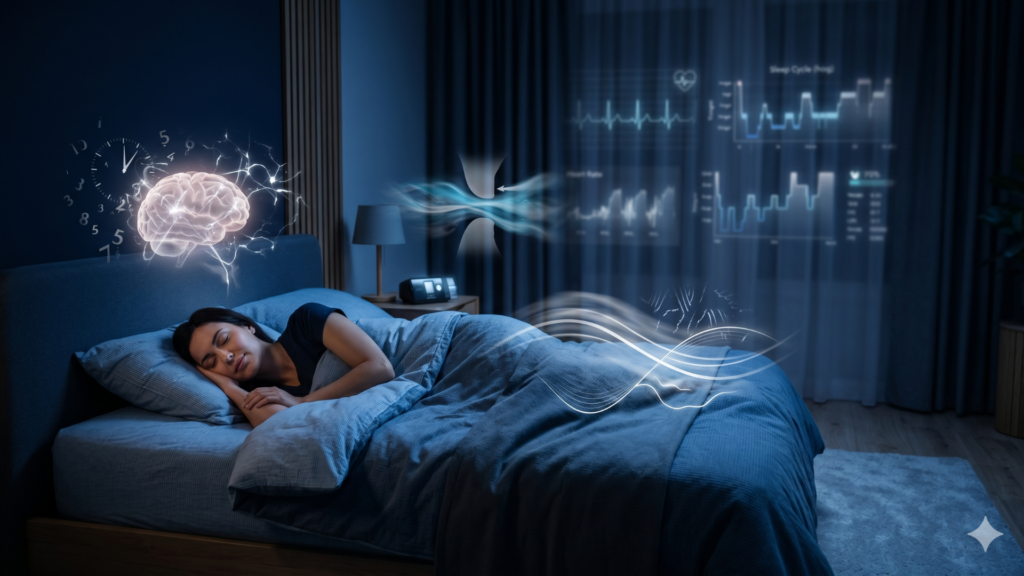
Sleep plays a vital role in maintaining physical health, mental clarity, and emotional balance. However, millions of people experience poor sleep without realizing that an underlying sleep disorder may be the cause.
Understanding the most common sleep disorders causes is essential for identifying symptoms early and preventing long-term health complications. While occasional sleep disturbances are normal, persistent sleep problems should never be ignored.
Sleep disorders can affect breathing, movement, sleep cycles, and overall sleep quality, leading to fatigue, reduced productivity, and serious health risks.
This guide explores the major causes of sleep disorders, common symptoms, risk factors, and when professional evaluation becomes necessary.
What Are Sleep Disorders?
Sleep disorders are conditions that disrupt normal sleep patterns, affecting the quality, timing, and duration of sleep.
They can lead to:
- Difficulty falling asleep
- Interrupted sleep
- Excessive daytime sleepiness
- Breathing problems during sleep
Sleep disorders can affect individuals of all ages and may vary in severity.
Most Common Sleep Disorders Causes
Several physical, psychological, and lifestyle factors contribute to sleep disorders.
1. Stress and Anxiety
Stress is one of the leading causes of poor sleep.
Mental stress can:
- Increase nighttime alertness
- Trigger overthinking
- Disrupt relaxation before sleep
Chronic anxiety can eventually lead to insomnia and long-term sleep disturbances.
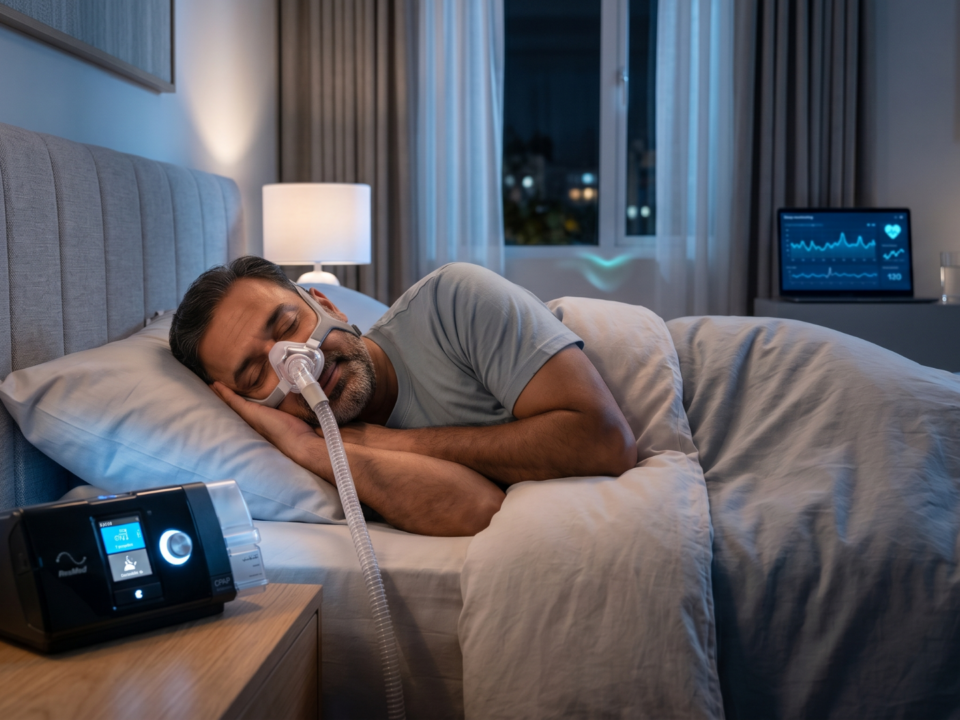
2. Sleep Apnea
Sleep apnea is a serious sleep disorder where breathing repeatedly stops and starts during sleep.
It is commonly associated with:
- Loud snoring
- Daytime fatigue
- Morning headaches
- Interrupted breathing during sleep
Obstructive sleep apnea is one of the most underdiagnosed sleep disorders in adults.
3. Poor Sleep Hygiene
Unhealthy sleep habits can significantly impact sleep quality.
Examples include:
- Excessive screen time before bed
- Irregular sleep schedules
- Consuming caffeine late at night
- Sleeping in noisy environments
Poor sleep hygiene is a major contributor to chronic sleep issues.
4. Medical Conditions
Several health conditions can interfere with sleep:
- Asthma
- Chronic pain
- Acid reflux
- Heart disease
- Neurological disorders
These conditions may cause discomfort or breathing difficulties during sleep.
5. Lifestyle Factors
Modern lifestyle habits often contribute to sleep disorders.
Common factors include:
- Lack of exercise
- Excessive alcohol consumption
- Smoking
- High work stress
These habits disrupt the body’s natural sleep cycle.
6. Insomnia
Insomnia itself is one of the most common sleep disorders.
It involves:
- Difficulty falling asleep
- Frequent awakenings
- Waking up too early
Insomnia may result from stress, medical conditions, or unhealthy sleep habits.
7. Restless Leg Syndrome (RLS)
RLS causes uncomfortable sensations in the legs and an uncontrollable urge to move them, especially at night.
This condition can severely disrupt sleep quality.
8. Narcolepsy
Narcolepsy is a neurological disorder that affects the brain’s ability to regulate sleep-wake cycles.
Symptoms include:
- Sudden sleep attacks
- Excessive daytime sleepiness
- Sleep paralysis
Warning Signs of Sleep Disorders
Recognizing symptoms early can prevent serious health complications.
Common warning signs include:
- Loud snoring
- Excessive daytime fatigue
- Difficulty concentrating
- Frequent awakenings
- Mood changes
- Morning headaches
Persistent symptoms should not be ignored.
How Sleep Disorders Affect Overall Health
Untreated sleep disorders can impact nearly every aspect of health.
Potential complications include:
- High blood pressure
- Heart disease
- Diabetes
- Depression and anxiety
- Reduced immunity
- Poor cognitive performance
Quality sleep is essential for long-term health and recovery.
Who is at Higher Risk?
Certain individuals are more likely to develop sleep disorders:
- Adults over 40
- Overweight individuals
- People with high stress levels
- Smokers and alcohol users
- Individuals with family history of sleep disorders
However, sleep disorders can affect anyone.
When Should You See a Sleep Specialist?
You should consult a sleep specialist if you experience:
- Chronic snoring
- Persistent fatigue
- Difficulty sleeping for several weeks
- Breathing interruptions during sleep
- Excessive daytime sleepiness
Early diagnosis helps prevent worsening symptoms and health complications.
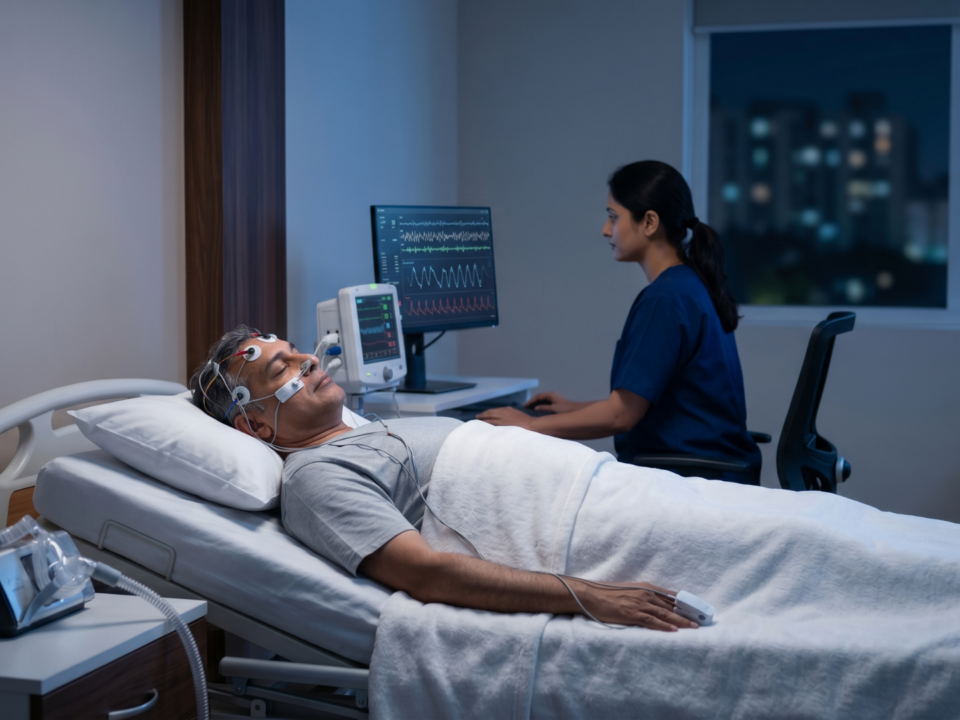
How Sleep Disorders Are Diagnosed
Sleep specialists may recommend a sleep study to identify the root cause.
Common diagnostic methods include:
1. Home Sleep Test
Convenient for diagnosing sleep apnea.
2. Polysomnography (Lab Sleep Study)
Comprehensive overnight monitoring conducted in a sleep clinic.
These tests monitor:
- Breathing patterns
- Oxygen levels
- Brain activity
- Heart rate
Treatment Options for Sleep Disorders
Treatment depends on the underlying condition.
Common approaches include:
- Lifestyle changes
- Sleep therapy
- CPAP therapy for sleep apnea
- Medication
- Behavioral therapy
Proper diagnosis ensures accurate treatment planning.
How to Improve Sleep Naturally
Healthy habits can reduce the risk of sleep disorders:
1. Maintain a Consistent Sleep Schedule
Sleep and wake up at the same time daily.
2. Reduce Screen Time Before Bed
Avoid blue light exposure before sleep.
3. Exercise Regularly
Physical activity improves sleep quality.
4. Avoid Caffeine at Night
Limit stimulants in the evening.
5. Create a Relaxing Sleep Environment
A quiet and comfortable bedroom supports better sleep.
Common Mistakes People Make
Many individuals delay treatment due to:
- Assuming poor sleep is normal
- Ignoring symptoms like snoring
- Self-diagnosing online
- Delaying medical consultation
These mistakes can worsen sleep disorders over time.
Frequently Asked Questions
What is the most common sleep disorder?
Insomnia and sleep apnea are among the most common sleep disorders.
Can stress cause sleep disorders?
Yes, chronic stress and anxiety significantly affect sleep quality.
Is snoring always dangerous?
Not always, but loud chronic snoring may indicate sleep apnea.
Can sleep disorders be treated?
Yes, most sleep disorders can be effectively managed with proper diagnosis and treatment.
Why Early Diagnosis Matters
Understanding the sleep disorders causes helps individuals recognize symptoms early and seek timely medical support.
Early intervention can:
- Improve sleep quality
- Reduce health risks
- Enhance daily performance
- Improve overall quality of life
Conclusion
Sleep disorders are more common than many people realize, and ignoring the symptoms can affect both short-term well-being and long-term health.
Whether caused by stress, sleep apnea, insomnia, or lifestyle habits, identifying the root cause is essential for effective treatment.
At SleepBlizz, advanced sleep diagnostics, home sleep testing, and personalized treatment solutions help individuals regain healthy, restorative sleep.
👉 Book your sleep consultation today and take the first step toward better sleep health.
Internal Linking Suggestions
- Sleep Apnea Symptoms in Adults
- Why Do I Snore?
- Sleep Test Cost in Bangalore
- Home Sleep Test vs Lab Sleep Study
External Linking Suggestions
- National Sleep Foundation
- American Academy of Sleep Medicine