
Snoring is one of the most common sleep-related issues affecting adults worldwide. While it may seem harmless or even humorous, persistent snoring can be a sign of underlying health problems.
If you’ve ever asked yourself, “why do I snore?”, you’re not alone. Understanding the root causes of snoring is the first step toward improving your sleep quality and overall health.
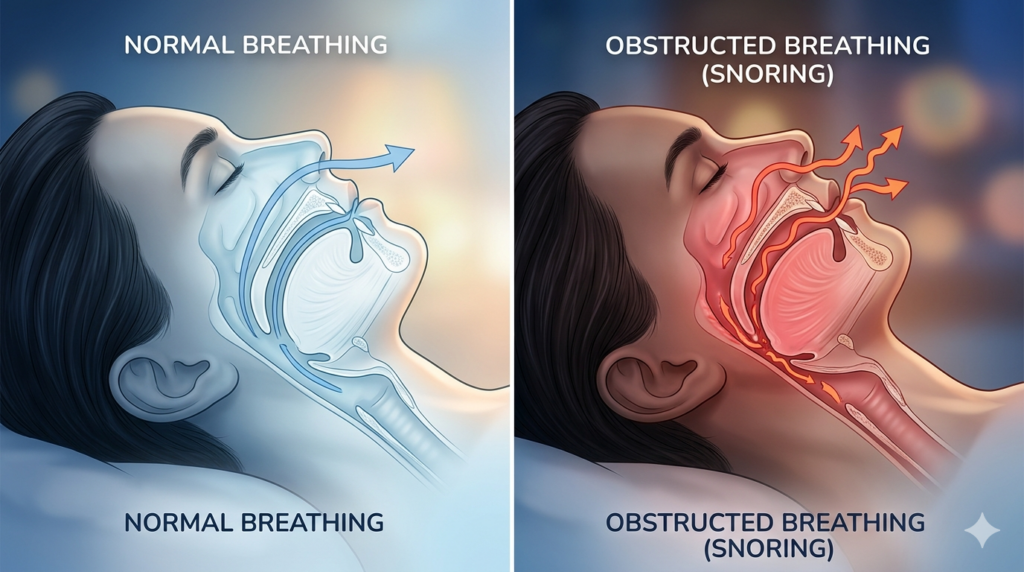
Snoring occurs when airflow is partially blocked during sleep, causing tissues in the throat to vibrate and produce sound. While occasional snoring is normal, chronic snoring should never be ignored.
What Causes Snoring?
Several factors can contribute to snoring. Identifying the cause is essential for effective treatment.
1. Obstructed Airway
The most common reason for snoring is a blockage in the airway. This can occur due to relaxed throat muscles during sleep.
2. Excess Weight
Being overweight can lead to fatty tissue around the neck, which narrows the airway and increases snoring.
3. Sleeping Position
Sleeping on your back can cause the tongue to fall backward, partially blocking airflow.
4. Nasal Congestion
Blocked nasal passages due to allergies, sinus issues, or infections can make breathing difficult, leading to snoring.
5. Alcohol Consumption
Alcohol relaxes throat muscles, increasing the likelihood of airway obstruction.
6. Smoking
Smoking irritates the airway, causing inflammation and increasing snoring risk.
7. Sleep Apnea
In some cases, snoring is a symptom of a serious condition called sleep apnea, where breathing repeatedly stops during sleep.
When is Snoring a Serious Problem?
Not all snoring is dangerous, but certain signs indicate a more serious condition:
- Loud and frequent snoring
- Choking or gasping during sleep
- Daytime fatigue
- Morning headaches
- Difficulty concentrating
👉 These symptoms may indicate sleep apnea, which requires medical attention.
Health Risks of Ignoring Snoring
Chronic snoring can lead to several health complications, including:
- Poor sleep quality
- Daytime sleepiness
- Increased risk of heart disease
- High blood pressure
- Reduced productivity
Snoring is often more than just a nuisance—it can be a warning sign of deeper health issues.
How to Stop Snoring Naturally
For mild cases, simple lifestyle changes can help reduce or eliminate snoring:
1. Change Your Sleeping Position
Sleeping on your side can prevent airway blockage.
2. Maintain a Healthy Weight
Losing excess weight can reduce pressure on the airway.
3. Avoid Alcohol Before Bed
Limit alcohol intake at least 3–4 hours before sleep.
4. Improve Sleep Hygiene
Maintain a consistent sleep schedule and create a comfortable sleep environment.
5. Treat Nasal Congestion
Use saline sprays or consult a doctor for chronic issues.
Medical Treatments for Snoring
If lifestyle changes don’t work, medical treatment may be necessary:
1. CPAP Therapy
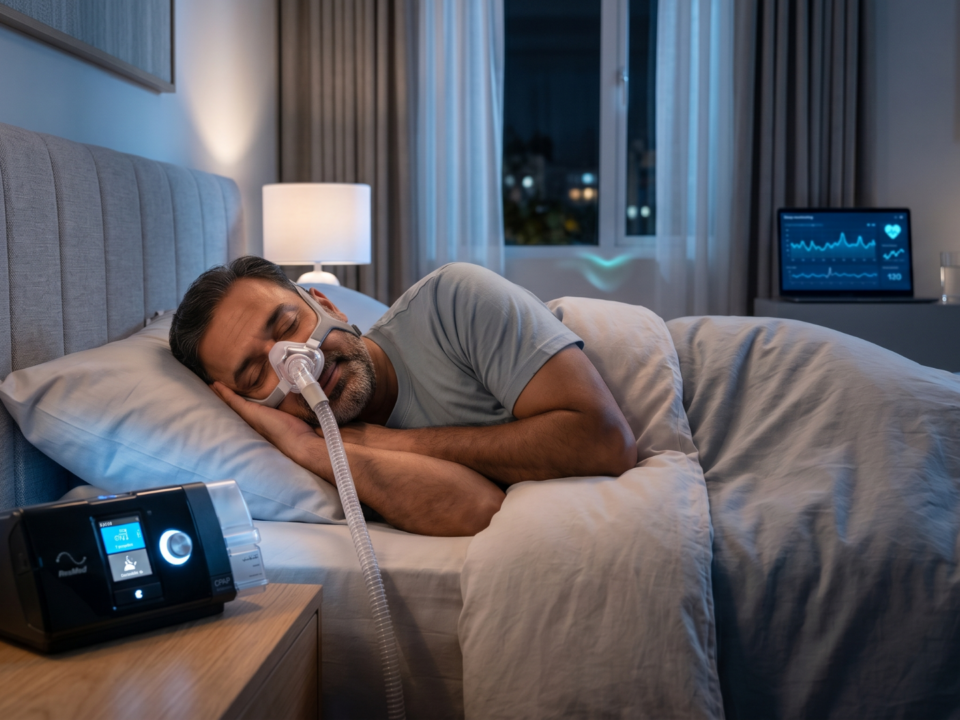
Used for sleep apnea, CPAP machines keep airways open during sleep.
2. Oral Appliances
Devices that reposition the jaw to improve airflow.
3. Surgical Options
In severe cases, surgery may be recommended to remove airway obstructions.
Do You Need a Sleep Test for Snoring?
If your snoring is persistent and accompanied by symptoms like fatigue or breathing interruptions, a sleep test is recommended.
A sleep study can:
- Identify the cause of snoring
- Diagnose sleep apnea
- Help determine the right treatment
Early diagnosis can prevent serious health complications.
Common Mistakes People Make
Many individuals ignore snoring or make incorrect assumptions:
- Thinking snoring is normal
- Delaying medical consultation
- Relying only on home remedies
- Ignoring symptoms of sleep apnea
These mistakes can delay proper diagnosis and treatment.
How to Take Action
If you’re concerned about snoring:
1. Track Your Symptoms
Monitor snoring frequency and sleep quality.
2. Consult a Sleep Specialist
Professional evaluation is essential for accurate diagnosis.
3. Get a Sleep Test
A home or lab sleep test can identify underlying issues.
4. Start Treatment Early
Early intervention leads to better outcomes.
Frequently Asked Questions
Is snoring always a sign of a problem?
Not always, but persistent snoring should be evaluated.
Can snoring be cured permanently?
It depends on the cause, but it can often be effectively managed.
Does weight loss reduce snoring?
Yes, in many cases, it significantly improves airflow.
When should I see a doctor?
If snoring is loud, frequent, or affects your daily life.
Strategic Importance of Addressing Snoring
Understanding why you snore is the first step toward better sleep and improved health.
Early action helps:
- Prevent serious sleep disorders
- Improve sleep quality
- Enhance overall well-being
Conclusion
Snoring may seem harmless, but it can be a sign of underlying health issues that should not be ignored. By understanding the causes and taking the right steps, you can significantly improve your sleep quality and overall health.
If your snoring is persistent or affecting your daily life, it’s time to seek professional help.
At SleepBlizz, expert diagnosis and advanced sleep solutions help patients identify the root cause of snoring and receive personalized treatment.
👉 Book your sleep consultation today and start your journey toward peaceful, uninterrupted sleep.
Internal Linking Suggestions
- Sleep Apnea Symptoms Blog
- Sleep Test Cost in Bangalore
- Home Sleep Test vs Lab Study
- CPAP Machine Bangalore